


Q1: What is the most critical principle for selecting sealant for galvanized pre-coated steel coils?
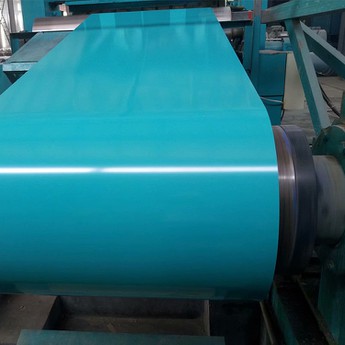
For metal materials like galvanized pre-coated steel coils, several core principles must be strictly adhered to when selecting sealant; otherwise, corrosion and adhesion failure are highly likely.
1. Neutral-curing sealant must be selected: This is the most basic and crucial point. Because the galvanized layer and pre-coated layer are sensitive to chemicals, acidic sealants release acidic substances during curing, directly corroding the metal surface, causing blistering, peeling, and ultimately rust.
2. Excellent adhesion is required: The sealant must have strong and lasting adhesion to galvanized and pre-coated steel sheets (coating materials such as PE polyester, PVDF fluorocarbon, etc.), ensuring that it does not delaminate or detach under conditions such as wind, rain, and thermal expansion and contraction.
3. Excellent weather resistance and durability: The sealant needs to withstand the test of harsh climates such as sun exposure, rain, high and low temperature changes, and ozone for a long time. It is required to resist ultraviolet aging and not crack, powder, or lose elasticity during long-term use, so as to ensure long-term waterproof sealing effect.
Q2: Faced with different types of sealants such as silicone, polyurethane, and MS modified silane, how should I choose based on the coating of the color-coated steel sheet?
Currently, the mainstream building sealants mainly fall into three categories: silicone, polyurethane, and MS modified silane. Each has its own performance strengths, and the choice needs to be made based on the specific application scenario.
Q3: What is displacement capacity rating? How should I choose based on the size of the joint?
"Displacement capacity" is a key indicator that measures whether a sealant can withstand the expansion and contraction of a joint due to external forces such as temperature changes and wind loads.
Rating Meaning: Industry standards classify the displacement capacity of sealants into different levels, such as 25, 20, and 12.5. The numbers represent the percentage change in joint width the sealant can withstand. For example, a 20-grade sealant can withstand a ±20% change in joint width from its original size without cracking or delamination. A higher grade means it can withstand greater expansion and contraction.
Selection Principle: For areas with large board sizes and drastic temperature changes, products with higher displacement capacity (such as 20 or 25 grades) should be selected to ensure long-term sealing effectiveness.
Q4: What key details during construction determine the final sealing effect?
Even the best sealant will have a significantly reduced effect if applied improperly. The following points require special attention:
**Thorough Surface Cleaning:** Before application, the joint surface must be thoroughly cleaned with a solvent (such as acetone or xylene) to remove oil, dust, and moisture, and kept dry. Ideally, the sealant should be applied within 30 minutes of cleaning to avoid secondary contamination.
**Scientific Joint Design:** Pay attention to the ratio of joint width (W) to depth (D). A W:D = 2:1 ratio is generally recommended. The joint width should generally be no less than 6mm, and the depth no less than 3mm. Joints that are too narrow or too deep will affect the sealant's performance.
**Ambient Temperature and Humidity Considerations:** Most sealants are suitable for application at temperatures between 5℃ and 40℃ and relative humidity between 40% and 80%. Avoid application in rain, strong winds, or direct sunlight.
Thorough filling and finishing: When applying the sealant, ensure that the sealant completely fills the gaps without leaving any cavities. After applying the sealant, use a scraper to smooth the sealant joint within 5 minutes to ensure a tight bond between the sealant and the substrate.
Q5: What problems might occur with sealant during use? How can they be prevented or resolved?
Understanding some common problems and their prevention methods can help you better maintain the sealing effect.
Common Problems | Main Causes | Prevention and Solutions
Discoloration/Fading | Use of unstable organic pigments; sealant layer applied too thinly (recommended greater than 3mm). | Prevention: Choose sealant tinted with inorganic pigments for better weather resistance. Ensure sufficient sealant layer thickness during application.
Adhesion Failure/Detachment | Improper substrate surface preparation (oil, dust, moisture); sealant incompatibility with the substrate. | Prevention: Thoroughly clean the substrate surface according to requirements; conduct an adhesion test before application.