


1. Why is anti-corrosion treatment necessary for the weld seam after galvanized coil welding?
A: The zinc layer on the surface of galvanized coil relies on its cathodic protection and the ability to form a dense oxide film for corrosion protection. However, the high temperatures generated during welding cause physical and chemical changes in the weld area, completely destroying the integrity of the zinc layer. The welding temperature (far exceeding the boiling point of zinc, approximately 907℃) causes the zinc layer to vaporize and escape instantly. Simultaneously, the molten zinc reacts with oxygen to produce white zinc oxide powder that covers the weld surface. More importantly, once the zinc layer is burned away, the exposed steel substrate loses the electrochemical protection of the original galvanized layer. Without subsequent treatment, the weld seam becomes the starting point for corrosion of the entire structure, quickly leading to rust and even structural safety hazards. Therefore, treating the weld seam is an essential step to restore the original overall anti-corrosion performance of the galvanized coil.
2. What are the most common anti-corrosion treatment methods for galvanized coil welds? What are their characteristics?
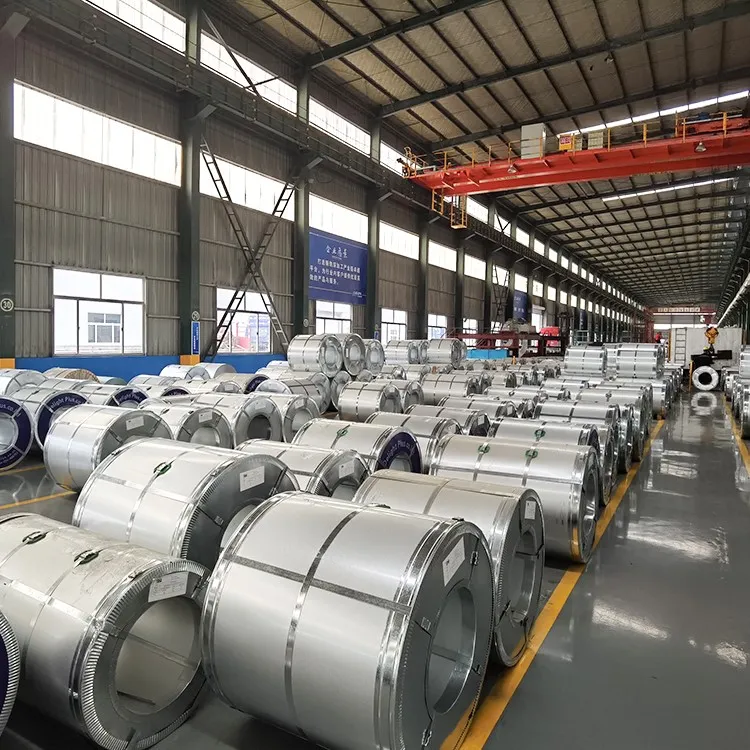
A: There are many anti-corrosion treatment methods for galvanized coil welds. The choice should comprehensively consider the environmental corrosion level, cost budget, and construction conditions. Common and effective methods include: Cold galvanizing coating repair is the most flexible option. It uses high-purity zinc powder coating with a zinc content of not less than 92% to 96%, applied by brushing or spraying. The cathodic protection of the zinc powder achieves corrosion protection, suitable for rapid on-site repairs. Spray zinc repair uses specialized equipment to spray molten zinc wire onto the weld surface using an electric arc or flame. The resulting zinc coating has good density and strong adhesion, with a service life of over ten years, making it the best method for scenarios with high corrosion resistance requirements. Epoxy zinc-rich primer combined with topcoat is suitable for budget-constrained or non-severely corrosive environments. First, apply an epoxy zinc-rich primer with a zinc powder content of not less than 80% to provide cathodic protection, then cover with a polyurethane or fluorocarbon topcoat to enhance weather resistance and aesthetics. The total dry film thickness is recommended to be at least 120 micrometers. In addition, in the galvanized coil drum and can manufacturing industry, aluminum paste repair coating or hot melt tin repair methods are also used.
3. When selecting a repair coating for galvanized coil welds, what key technical indicators should be considered?
A: When selecting a repair coating, zinc powder content, adhesion, durability, and film thickness are key indicators to focus on. First, zinc powder content is the core parameter determining the cathodic protection effect. According to relevant process specifications, the zinc powder content of hot-dip galvanized repair coatings should not be less than 90%. Common high-quality products on the market typically have a zinc content between 92% and 96%. The higher the content, the longer the sacrificial anodic protection effect lasts. Second, the compatibility of the coating system is crucial; the primer and topcoat must have good compatibility. It is worth noting that epoxy zinc-rich or epoxy zinc yellow primer systems cannot be used with alkyd topcoats, as the alkaline zinc layer will undergo a saponification reaction with the alkyd paint, leading to film peeling and failure. In terms of technical standards, priority should be given to cold-dip galvanizing coatings that meet ASTM A780 or ISO 12944 certifications, as well as epoxy primer products certified by ISO standards, ensuring that their core performance indicators such as salt spray resistance, impact resistance, and adhesion meet the standards.
4. What are the construction steps and key points of the anti-corrosion treatment for galvanized coil welds?
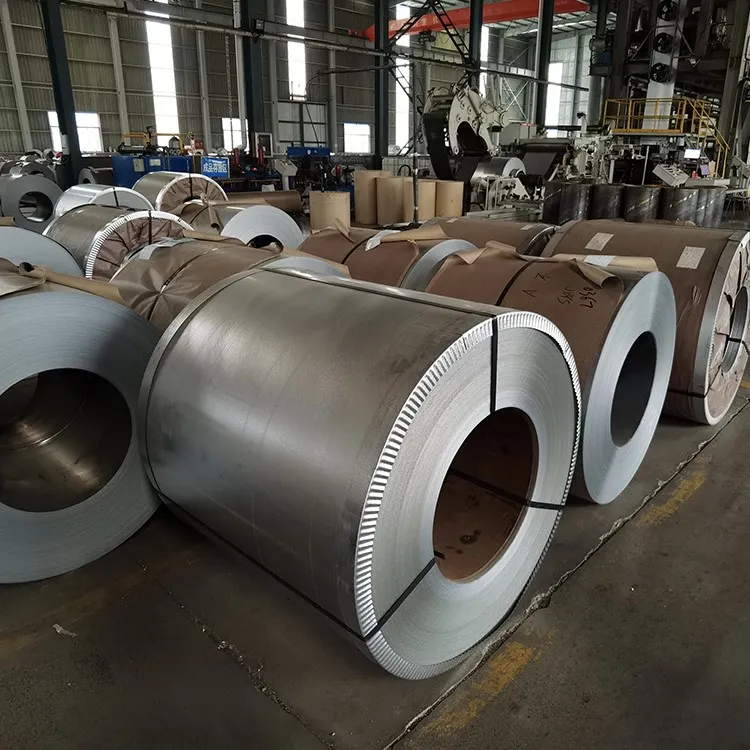
A: A standardized construction process is crucial for the long-term reliable anti-corrosion effect of welds. It typically follows a three-step method: "cleaning → washing → coating." The first step is surface cleaning: Use an angle grinder with a wire brush or abrasive wheel to thoroughly remove weld slag, spatter, burned-off oxidized zinc layer, and zinc oxide residue from the weld area until the metallic luster of the substrate is exposed. For applications requiring higher coating adhesion, sandblasting to Sa2.5 standard is recommended, with a surface roughness of Rz30 to 75 microns being optimal. The second step is cleaning and degreasing: Thoroughly wipe the cleaned metal surface with acetone or a specialized industrial cleaner to remove oil and dust, ensuring no contaminants remain. The third step is coating application: Apply the prepared anti-corrosion coating evenly to the weld and heat-affected zone using spraying or brushing (generally, it is recommended to cover 5 cm on each side of the weld). The dry film thickness of the primer should be controlled to be above 80 microns. After the coating is applied, it must be left to cure completely. The curing time is usually 24 hours. During this period, it must not come into contact with water or be subjected to mechanical impact.
5. What are the common quality defects in the anti-corrosion construction of galvanized coil welds? How to conduct quality control and inspection?
A: Common quality defects in weld anti-corrosion construction mainly include insufficient coating adhesion, pores and pinholes in the paint film, and uneven coating thickness. Poor adhesion usually stems from incomplete surface cleaning or failure to remove oil stains, preventing the coating from forming a strong bond with the substrate. Pores and pinholes are often related to uneven coating mixing, excessively high humidity in the construction environment, or applying too thick a layer at once. These defects can become channels for corrosive media to penetrate, significantly reducing the anti-corrosion effect. Regarding quality control and inspection, environmental conditions should be controlled during construction. The temperature should be maintained between 5 and 35℃, and the humidity below 80%. Outdoor work should be avoided in rainy or windy weather. The coating adhesion can be tested using the cross-cut method 24 hours after construction. If large areas of the paint film peel off, it needs to be reworked. Simultaneously, a dry film thickness gauge should be used to measure the coating thickness at multiple points in the weld and heat-affected zone to ensure that the thickness at each measuring point meets the design specifications, avoiding missed areas or insufficient film thickness. Regular maintenance is also essential. It is recommended to conduct a visual inspection and adhesion test on the recoated area every six months to two years to promptly identify and repair any damage.