


1. Compared to ordinary low-carbon steel sheets, what are the main adjustments needed to the spot welding process parameters for galvanized coils?
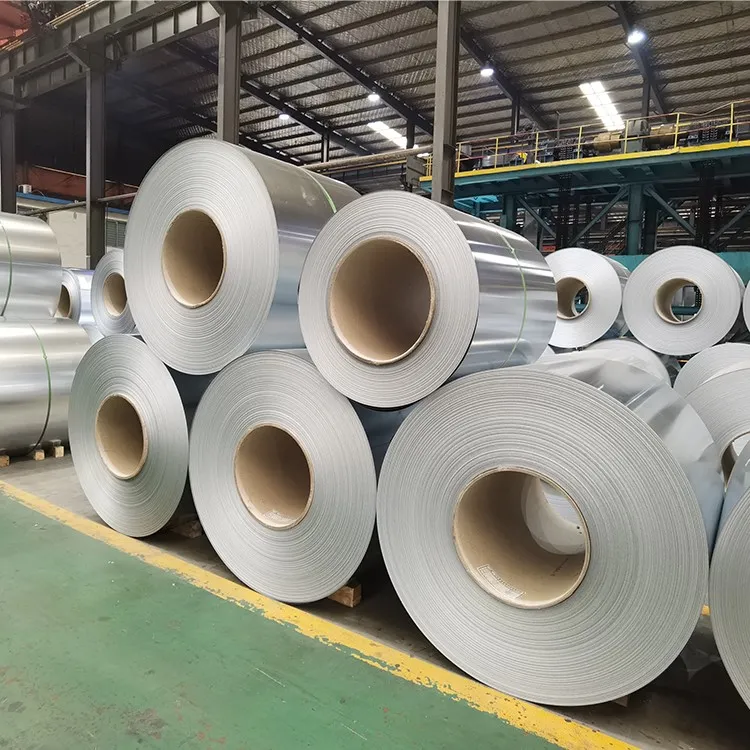
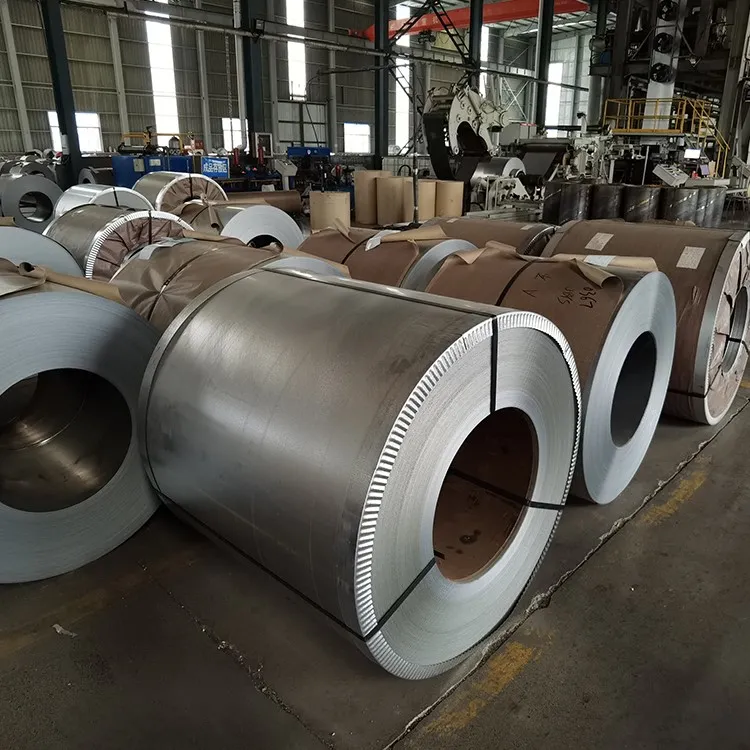
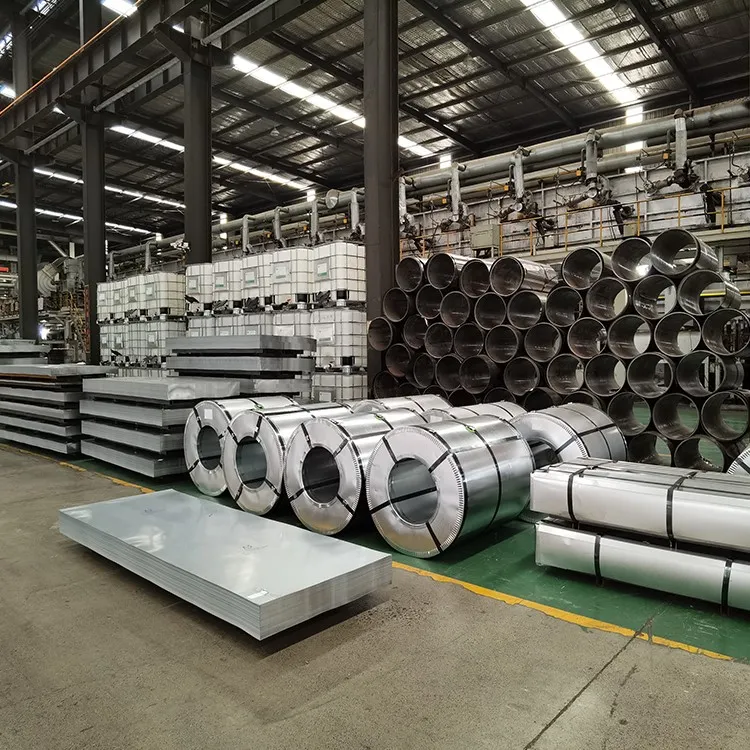
A: When spot welding galvanized coils, the presence of the zinc layer results in lower contact resistance and welding current density, making their weldability significantly worse than that of ordinary low-carbon steel sheets. To achieve the same weld nugget size and weld strength as low-carbon steel sheets, the process parameters need to be increased overall:
Welding current: Typically needs to be increased by 25%–50%.
Welding time: Generally needs to be increased to approximately twice the spot welding time for low-carbon steel sheets.
Electrode pressure: Needs to be increased by 20%–30% compared to spot welding low-carbon steel sheets.
2. How should the two key parameters, welding current and electrode pressure, be selected and set?
A: The selection of these two parameters requires precise consideration, as they directly determine the weld quality and the formation of the weld nugget.
Welding current: It directly affects the size of the weld nugget and the strength of the weld, and is the most influential factor on weld quality. The current adjustment window (i.e., the standard range) for spot welding of galvanized sheets is narrow and highly sensitive to current changes. Too low a current will lead to insufficient weld nugget or incomplete welds, while too high a current can easily cause severe spatter and blowouts. Studies have shown that as the welding current increases, the shear strength of the weld first increases and then decreases, with an optimal range.
Electrode pressure: Appropriate pressure helps to expel the molten zinc from the welding zone, promoting weld nugget formation. Generally, a pressure range of 0.3–0.5 MPa (approximately 3–5 kgf/cm²) is recommended. Too low a pressure will lead to poor contact in the welding zone, resulting in porosity and spatter; too high a pressure will leave excessively deep indentations on the sheet, damaging the zinc protective layer and becoming the starting point for corrosion.
3. How is welding time set, and what is the synergistic relationship between it and current and pressure?
A: The commonly used welding time range for spot welding galvanized steel sheets is typically between 0.1 and 0.33 seconds (i.e., 100 to 330 milliseconds). To balance weld nugget formation and heat input, segmented or multi-pulse control can be used.
Welding time, current, and pressure are interdependent and highly correlated; no single parameter can be adjusted in isolation. An effective optimization approach is to first fix one factor (such as welding time), then find the adjustable ranges of the other two factors (current and pressure), then change the fixed factor, repeating this process until the optimal combination is found. For example, when increasing the welding current, to prevent spatter, it is usually necessary to correspondingly increase the electrode pressure and appropriately shorten the welding time. This synergistic adjustment is key to obtaining high-quality welds.
4. What is the multi-pulse welding process for galvanized steel sheets? What are its advantages?
A: Multi-pulse welding, especially double-pulse welding, is an effective optimized method for spot welding galvanized steel sheets. It is completed through two steps: preheating and welding, which has significant advantages compared to direct welding with a single high current.
Process Flow:
Preheating Pulse: A relatively small current is applied briefly. Its function is not to melt the steel substrate, but to preheat and break down the zinc layer on the steel surface, causing the low-melting-point zinc to melt and vaporize in advance, creating conditions for reliable welding later.
Welding Pulse: After the zinc layer is broken down, a high-energy main welding pulse is applied, allowing the steel substrate to fully fuse and form a strong weld nugget.
Advantages:
Effectively reduces spatter because zinc vapor is removed in advance during the preheating stage.
Improves weld formation and enhances weld nugget quality.
Helps extend electrode life.
5: What specific welding parameters can be referenced for initial commissioning?
A: Finding the optimal process parameters usually requires adjustments based on the actual thickness of the sheet material and the condition of the equipment. Below is an empirical parameter range based on industry practice, which can be used as a benchmark for adjustments.