


1. Besides galvanized color-coated steel coils, what are the most popular alternative materials on the market right now?
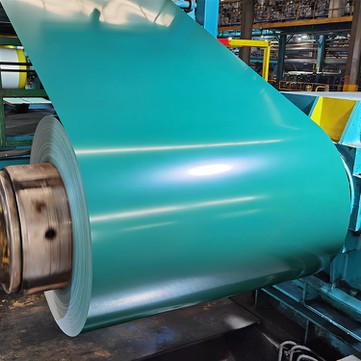
A: The most popular alternative material is zinc-aluminum-magnesium (ZAM) coated steel sheet. It incorporates aluminum, magnesium, and trace amounts of silicon into the traditional galvanized layer, forming a completely new alloy coating. Compared to galvanized color-coated steel coils, ZAM offers several times better corrosion resistance, especially at cuts and scratches where it has a "self-healing" function-exposed substrate edges generate dense magnesium hydroxide and basic zinc chloride, preventing rust from spreading. Its service life can reach over 30 years, making it ideal for coastal areas, high-salt-spray regions, livestock farms, and industrial acid rain environments. The disadvantage is that the initial purchase cost is higher than ordinary galvanized color-coated steel coils, but it is more economical over its entire life cycle.
2. What are some alternative materials for projects that prioritize lightweight and aesthetically pleasing designs?
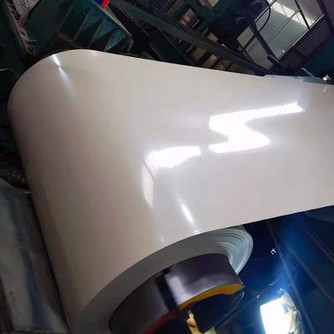
A: We recommend aluminum-magnesium-manganese alloy panels, also known as "color-coated aluminum panels." Made with aluminum as the base material and reinforced with magnesium and manganese, it has a density only about one-third that of steel, making it extremely lightweight and significantly reducing the load on the building's steel structure. The surface of aluminum-magnesium-manganese panels naturally forms a dense aluminum oxide layer, providing excellent rust resistance without the need for additional coatings. It can also be easily bent and interlocked to create complex shapes such as curved surfaces and fan shapes, making it ideal for roofs and curtain walls of modern buildings such as airports, stadiums, and theaters. Its disadvantages include lower strength and rigidity compared to steel panels, requiring denser purlin support, and a higher unit price than galvanized color-coated coils. However, its long-term maintenance-free advantage is significant.
3. If a project requires extreme corrosion resistance and an ultra-long lifespan, what should be chosen?
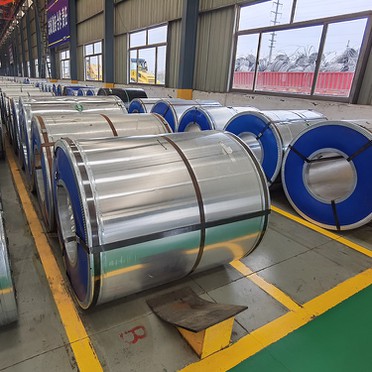
A: Stainless steel, especially grades 304 or 316, is a good option. Stainless steel, through the addition of chromium (≥10.5%), forms a stable passivation film, resulting in extremely strong corrosion resistance. It can withstand harsh environments such as marine salt spray, industrial exhaust gases, and acidic and alkaline chemicals. Its service life can reach over 50 years, requiring almost no maintenance, and its strength is also very high. The disadvantages are that it is the most expensive of all alternative materials, typically several times more expensive than galvanized steel coils, and it is more difficult to process. Welding and cutting require specialized equipment and processes, and its coefficient of thermal expansion differs from ordinary steel. Therefore, stainless steel is usually only used in landmark permanent buildings, food and medical cleanrooms, special facilities in highly corrosive coastal areas, or in situations where hygiene and durability requirements are extremely high.
4. What non-metallic alternatives are available for highly corrosive environments such as chemical plants and electroplating plants?
A: Composite materials are recommended for these environments, such as PVC (polyvinyl chloride) composite panels, FRP (fiberglass reinforced plastic) translucent panels, or APVC (modified PVC). These materials contain no metal components, therefore they will not rust and have strong resistance to acids, alkalis, salts, and various chemicals. They are also lightweight, have good insulation, heat insulation, and sound insulation properties, and can avoid the risk of lightning strikes. Commonly used FRP translucent panels can also transmit light, providing natural lighting for the factory. The disadvantages are that they are weaker in strength and impact resistance compared to metals, and long-term outdoor exposure can cause aging, yellowing, or surface powdering due to ultraviolet radiation. Their flame retardant properties are generally not as good as metal panels. These materials are very suitable for roofing and walls in chemical plants, electroplating workshops, printing and dyeing plants, livestock sheds, and areas with severe acid rain. Some PVC corrugated sheets can directly replace color steel sheets.
5. Are there any alternative materials that retain the strength of metal while offering rich decorative effects?
A: Consider printed color-coated steel sheets or laminated metal sheets. Printed color-coated steel sheets have natural textures such as wood grain, stone grain, fabric grain, and imitation copper directly replicated on the surface of galvanized steel, aluminized zinc steel, or aluminum sheets using printing technology, then covered with a transparent protective layer. It combines the strength, rigidity, and fire resistance of the metal substrate with realistic decorative effects, avoiding the disadvantages of wood (flammability and rot) and stone (weight). Laminated metal sheets have a PVC or PVDF film hot-pressed onto the metal surface, also achieving rich colors and patterns, and the surface is more scratch-resistant. These materials are widely used in building exterior wall decoration, interior partitions, elevator cars, appliance panels, subway platforms, and other applications requiring high aesthetics and durability. The price falls between ordinary color-coated steel sheets and high-end stainless steel, offering excellent value. When purchasing, pay attention to the weather resistance and UV resistance of the printed layer; for outdoor applications, choose outdoor-grade printed coatings.