


1. What preparations are needed before renovation?
High-quality renovation begins with meticulous substrate preparation, which directly affects the adhesion of the new coating.
**Thorough Cleaning and Assessment:** First, inspect and clean the surface for oil, dust, and loose rust. Simultaneously, determine the substrate type-galvanized, aluminized zinc, or cold-rolled steel. If only the coating is aged but the galvanized layer is intact, the treatment is relatively simple; if rust has appeared, more thorough sanding is required.
**Deep Sanding:** Regardless of rust, the surface needs to be sanded to increase roughness. This is especially important for galvanized steel, as its overly smooth surface makes it difficult for new paint to adhere.
**Cleaning and Drying:** Finally, use a high-pressure water gun with a nylon brush to clean, ensuring the substrate is clean, firm, and completely dry.
**Auxiliary Measures:** For joints, nail holes, and other areas with potential leakage, localized reinforcement can be applied using waterproofing techniques such as "one layer of fabric and three coats."
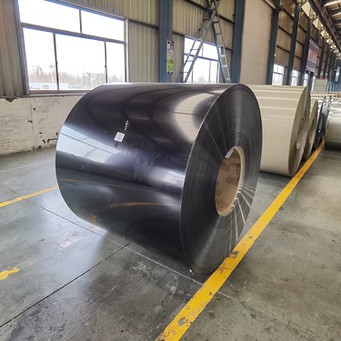
2. How to handle surface scratches, dents, and other defects?
For surface damage such as cuts/scratches or dents, the following methods can be used:
Minor scratches: Chemical polishing can be used, employing chemical reagents to slightly corrode the surface and remove the scratches.
Deep scratches: For deep damage, physical methods such as mechanical grinding or wire drawing are required.
Missing areas/dents: If the lack of paint adhesion is due to production line residue, it can be repaired locally with the same type of paint.
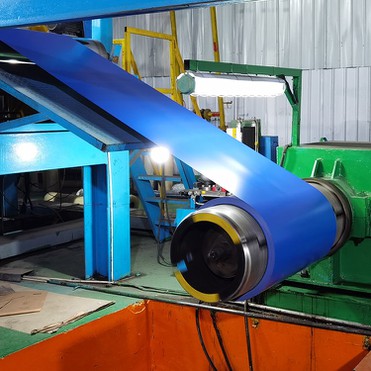
3. How to choose and apply primer and topcoat?
Choosing the right paint system is crucial for successful renovation, especially addressing the unique challenge of zinc migration. Ordinary paint is difficult to adhere directly to galvanized sheets because the zinc layer is reactive and easily reacts with the paint film, causing peeling.
Therefore, choosing a suitable renovation-specific paint is essential.
Primer selection (critical!): Always choose a primer specifically for galvanized sheets, such as a phosphate primer or zinc yellow primer. For rusted substrates, a rust-converting primer can be used. This type of primer effectively enhances adhesion and inhibits zinc reactivity.
Topcoat Selection: The topcoat should be selected based on the application environment. Highly weather-resistant polyester or fluorocarbon (PVDF) topcoats are recommended to ensure long-term color retention and aging resistance.
Application Points:
Coating Compatibility: Follow the principle of "dedicated primer + matching topcoat". After applying the primer, it is recommended to wait 2-4 hours (depending on temperature and humidity) before applying the topcoat.
Tension Matching: The surface tension of the repair paint (recoat) must be lower than that of the original topcoat to ensure proper wetting and adhesion.
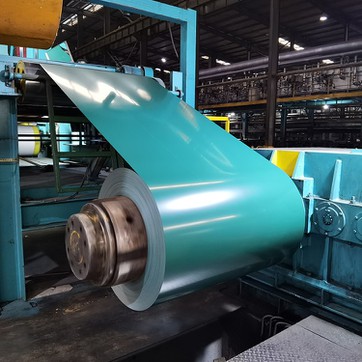
4. What are the common causes of coating blistering, peeling, or poor gloss?
Quality problems after renovation often stem from improper initial preparation.
Insufficient Adhesion (Peeling/Shedding):
The root cause is inadequate substrate preparation.
The surface may be too smooth due to lack of sanding, or contain residual oil or dust.
It could also be due to incompatibility between the primer and topcoat, or coating incompatibility.
Poor gloss:
This may be related to the paint itself or the application process, such as excessive thinner or high ambient humidity.
It could also be caused by improper temperature control in the curing oven.
Color inconsistency:
Slight color differences may exist between different batches of paint or between color-coated panels produced at different times.
In addition, accelerated natural aging of materials exposed to ultraviolet light may also be a contributing factor.
5. How to assess renovation quality and extend the lifespan of the renovated product?
After renovation, quality can be checked through simple tests, and good maintenance can significantly extend its lifespan.
Quality acceptance test: The cross-cut adhesion test can be used to check the adhesion of the renovated coating. Ideally, the cut edges should be smooth, without peeling, achieving a 0-1 grade standard.
Maintenance and care:
Post-installation inspection: Within two weeks of installation, a thorough inspection must be conducted to promptly remove any metal shavings, rivet residue, or other debris that could cause rust.
Routine Cleaning: Keep the surface clean and avoid scratching with sharp objects.
Expected Lifespan: Proper renovation can extend the decorative lifespan of a building by 12-20 years, or even longer.
Through a scientifically standardized renovation process, you can not only restore the shine to your galvanized color-coated coils, but also achieve a highly efficient use of resources.