


1. Is galvanized steel coil suitable for making housings of mechanical equipment? What types of equipment is it mainly used in?
Answer: Galvanized steel coil is very suitable for making housings of low- to mid-range equipment or equipment with high corrosion resistance requirements but cost sensitivity. It combines the mechanical strength of steel sheet with the corrosion resistance of a galvanized layer, while achieving a silvery-white metallic appearance without additional painting. Common applications include: agricultural machinery (such as dryer and crusher housings), ventilation equipment (fan housings), power control cabinets (outdoor distribution boxes), construction machinery (small generator housings), and protective panels for some industrial robot workstations. However, for equipment with strict appearance requirements (such as precision instruments on automotive production lines) or equipment exposed to strong acid and alkaline chemical environments for extended periods, galvanized steel coil may not be as suitable as stainless steel or professionally coated steel sheet.
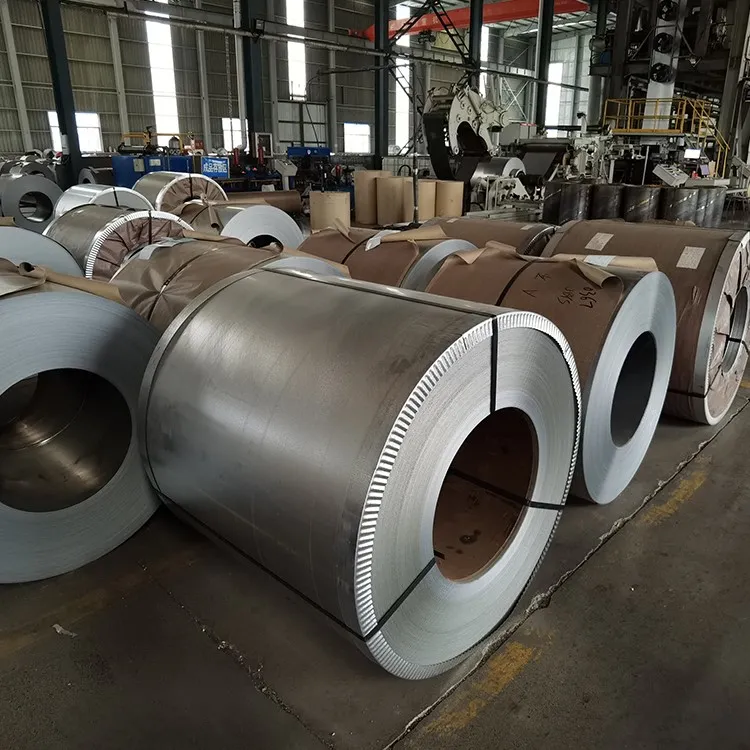
2. Compared to ordinary cold-rolled sheet with a painted finish, what are the cost-effective advantages of galvanized coil shells?
Answer: The main advantage lies in eliminating the painting process and long-term corrosion protection costs. Ordinary cold-rolled sheets require degreasing, phosphating, painting, or powder coating, increasing surface treatment costs by approximately 20 to 30 yuan per square meter. Furthermore, scratches to the paint film during transportation or installation lead to rapid rusting at the exposed iron. Galvanized coils can be directly stamped, bent, and welded before use, saving on painting equipment and labor costs. For mass-produced equipment, the overall cost of galvanized coil shells is approximately 15% to 25% lower than that of cold-rolled sheet with a painted finish. Additionally, the zinc layer has cathodic protection properties; minor scratches will not cause rust to spread, resulting in virtually zero maintenance. This makes it particularly suitable for export equipment subjected to high salt spray environments in shipping containers.
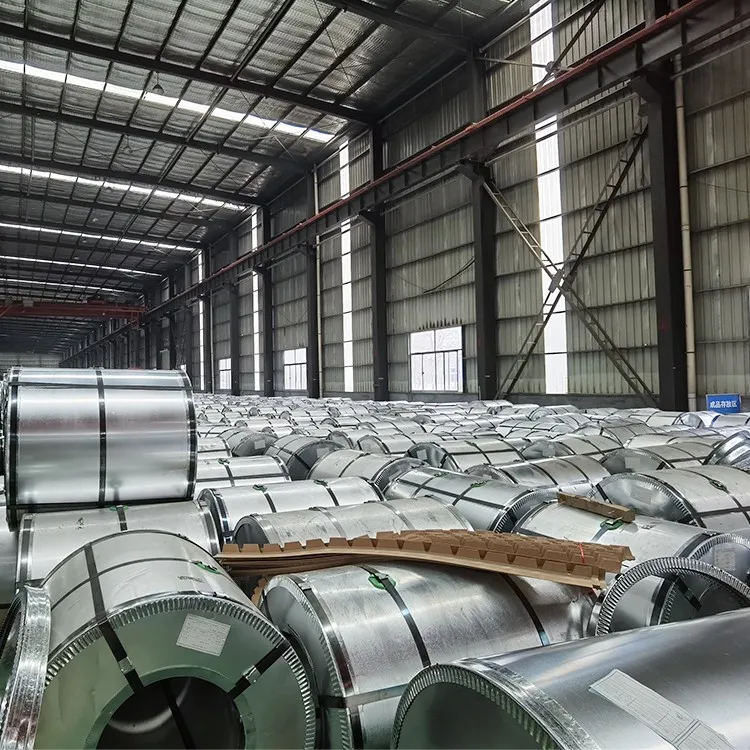
3. What problems arise during welding and bending processes when manufacturing the outer shell of galvanized coils? How can the corrosion resistance after processing be guaranteed?
Answer: Welding damages the galvanized layer in the weld area, generating zinc vapor (requiring good ventilation), and weld slag easily causes localized electrochemical corrosion. If the bending radius is too small or the zinc layer is too thick (e.g., 275 g/m² or more), micro-cracks may appear in the zinc layer on the outer side of the bend. Solutions: For welding, argon arc welding or low-silicon welding wire is recommended. After welding, a zinc-rich primer (zinc content not less than 70%) must be applied to the weld and heat-affected zone. When bending, control the minimum bending radius to be no less than twice the plate thickness, and use a bending line perpendicular to the rolling direction. Furthermore, selecting a supplier using the "galvanized coil re-forming" process, or using pre-galvanized coils followed by zinc replenishment, can maintain overall corrosion resistance consistency. With proper post-weld repainting, the lifespan of the finished outer shell can still reach 8 to 10 years.
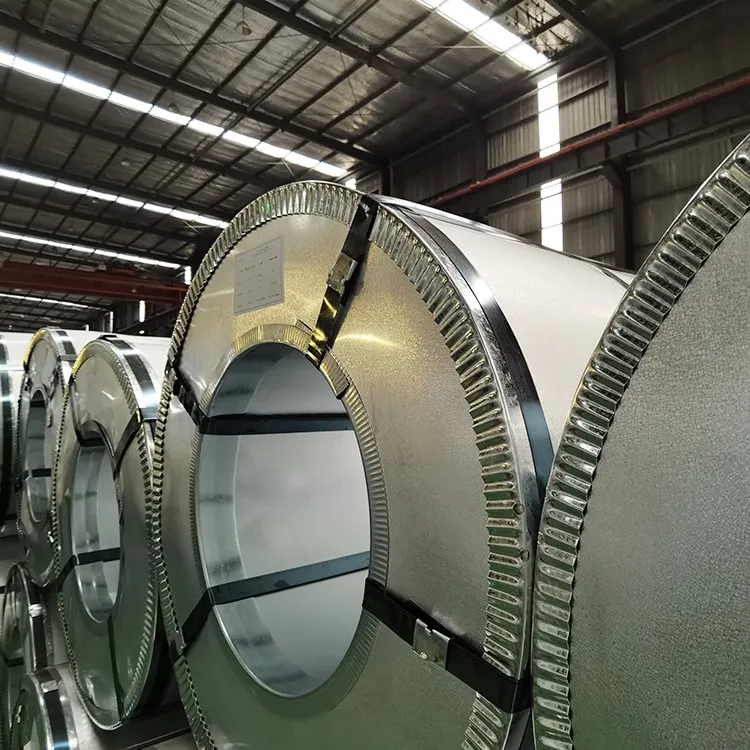
4. In which environments are galvanized coil casings unsuitable for use? What are the signs of failure?
Answer: The following three environments are not recommended: First, highly acidic environments (such as near chemical plants or electroplating workshops, with a pH value below 4). The zinc layer will dissolve rapidly, usually resulting in white rust or even red rust within a few months. Second, enclosed spaces with prolonged high temperature and humidity and poor ventilation (such as underground equipment rooms) are prone to producing "white rust"-a dense layer of zinc oxide. While this does not completely destroy the steel, it affects the appearance and continuously consumes the zinc layer. Third, direct contact with different metals such as copper and aluminum, and exposure to humid electrolytes, will cause galvanic corrosion, accelerating zinc layer consumption. In these environments, it is recommended to use hot-dip galvanized steel with a sealing coating, or a stainless steel or plastic casing.
5. When choosing coil coating materials for equipment housings, how to balance thickness, coating weight, and cost to achieve the best cost-effectiveness?
Answer: First, if the housing does not bear high-intensity loads, a base material thickness of 0.8 mm to 1.5 mm is recommended. Excessive thickness increases cost and molding difficulty. Second, the coating weight should be selected based on the usage environment: 120 to 180 g/m² (double-sided) for general indoor equipment; 180 to 220 g/m² for semi-outdoor (with rain shelter); and 275 g/m² or more for long-term outdoor exposure. Note that at the same coating weight, hot-dip galvanized coils have several times higher corrosion resistance than electro-galvanized coils, so hot-dip galvanizing (grades such as S350GD+Z) should be preferred. Finally, if the housing shape is complex and requires extensive welding, consider "cold-rolled sheet processed and then hot-dip galvanized overall," which is slightly more expensive but avoids the hassle of repairing weld seams. Most standard cabinets and agricultural machinery housings use 1.0 mm hot-dip galvanized coils (180 g/m²), which is the most cost-effective configuration.