


1. Compared to ordinary steel pipe frames, how much higher is the initial investment cost of using galvanized coils to process aquaculture equipment frames? Is it cost-effective?
Answer: Galvanized coils are slightly more expensive than ordinary hot-rolled or cold-rolled steel sheets, and processing requires additional steps such as leveling, shearing, welding, and re-galvanizing (or using galvanized coils directly without galvanizing). Compared to ordinary black pipe frames, the initial material cost is approximately 15% to 25% higher. However, galvanized coil frames do not require additional rust-proof coating, saving on painting or powder coating costs, and installation is faster (lightweight, pre-punched). If the aquaculture environment is humid and the equipment needs to last for more than 5 years, this initial investment is very worthwhile, because ordinary frames may severely rust after 2 to 3 years, requiring replacement or repair, resulting in higher overall costs.
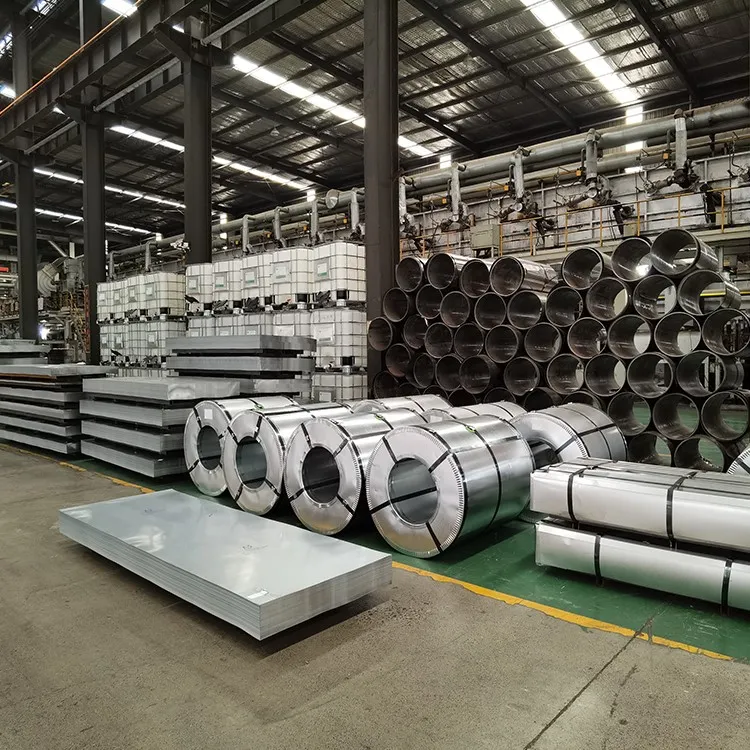
2. How long can a galvanized steel coil frame last in the corrosive environment of a livestock farm (manure, disinfectant, high humidity)?
Answer: In a typical livestock environment (humidity above 80%, regular use of alkaline disinfectants or acidic manure), a frame made of hot-dip galvanized steel coil (coating thickness generally 180 to 275 grams per square meter) can normally last 8 to 12 years. If a thicker galvanized steel coil is used (e.g., zinc content above 275 grams per square meter), along with a reasonable drainage design and prevention of long-term manure accumulation, the lifespan can exceed 15 years. In contrast, ordinary ungalvanized carbon steel frames typically show perforations and decreased strength in about 3 years under these conditions, resulting in a significant difference in cost-effectiveness.
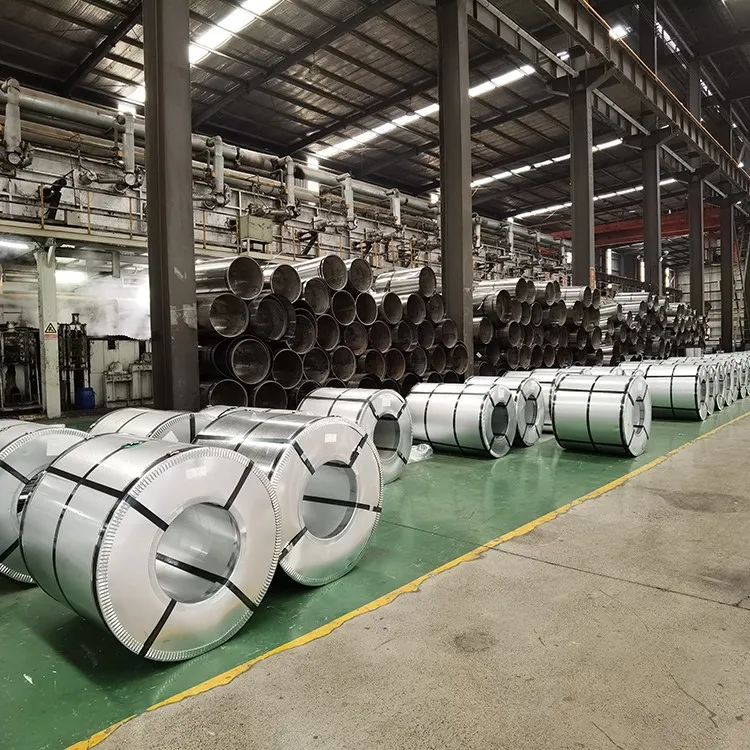
3. Is the maintenance cost of galvanized coil aquaculture frames high? How does it compare to other corrosion protection solutions (such as PVC coating and stainless steel)?
Answer: The maintenance cost of galvanized coil frames is very low. Daily maintenance only requires keeping the surface clean and avoiding scratches from hard objects; no additional painting or replacement is needed. Compared to PVC coating frames, once the PVC coating is damaged, internal corrosion occurs extremely quickly and is difficult to repair; the galvanized layer has the self-healing property of a sacrificial anode, and the zinc layer around small scratches will preferentially corrode to protect the steel base. Compared to stainless steel (304 or 430), the initial cost of stainless steel is 3 to 5 times higher than that of galvanized coil frames, and intergranular corrosion is prone to occur at welds. Therefore, for most aquaculture farms with limited budgets, galvanized coil is the most balanced choice between maintenance cost and performance.
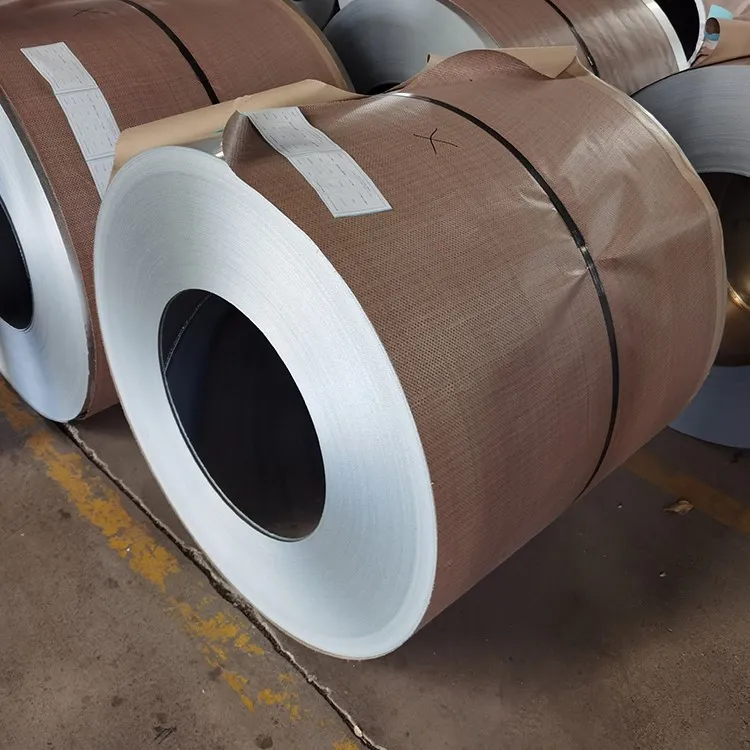
4. What are the advantages of galvanized coil frames in terms of installation and modification flexibility, and does this affect the overall cost-effectiveness?
Answer: Galvanized coils can be cold-bent into C-shapes, U-shapes, or square tubes, with lengths cut arbitrarily according to design needs. Pre-fabricated connection holes ensure precise alignment, and on-site connections are mostly bolted, eliminating the need for extensive welding. This makes installation approximately 40% faster than traditional welded frames, significantly reducing labor costs. Furthermore, if the farm needs to adjust pen layout or expand later, galvanized frames can be easily disassembled, moved, and reassembled, resulting in high material reuse rates. Welded frames, on the other hand, are essentially unusable once dismantled. This flexibility and reusability further enhance long-term cost-effectiveness, making them particularly suitable for small and medium-sized farmers investing in phases.
5. When purchasing galvanized coils to fabricate the frame of aquaculture equipment, what parameters should be focused on for optimal cost-effectiveness?
Answer: The key to cost-effectiveness lies in "using the right coating thickness and substrate." First, prioritize hot-dip galvanized coils over electro-galvanized coils. Hot-dip galvanized layers are typically 50 micrometers thicker, offering several times the corrosion resistance of electro-galvanized layers. Second, ensure the coating weight is at least 180 grams per square meter (double-sided), ideally reaching 275 grams per square meter in high-humidity, high-corrosion areas. Third, select structural steel with a substrate strength no lower than Q235B, avoiding the use of DX51D+Z grade steel, which is only suitable for decoration. Fourth, check the zinc coating adhesion; a bending test should show no peeling. Fifth, request the original manufacturer's warranty certificate from the supplier to avoid selling ordinary spray-painted materials under the guise of "galvanized." By adhering to these five points, you can achieve the best cost-effectiveness while ensuring the lifespan of the equipment.