


1. What are the specific temperature and humidity control standards for galvanized coil warehouses?
The temperature control standards for galvanized coil warehouses are typically between 10 and 30 degrees Celsius. Ideal storage temperatures are generally controlled between 10 and 30 degrees Celsius, with some stricter requirements suggesting control between 10 and 25 degrees Celsius. Regarding humidity control, different standards vary slightly: most standards require relative humidity to be controlled between 45% and 65%, some standards relax this to below 70%, and there are also stricter metal storage requirements that control humidity within the range of 40% to 60%. Overall, it is recommended to use a relative humidity of 45% to 65% as the core benchmark, and if conditions are limited, it should not exceed 70%.
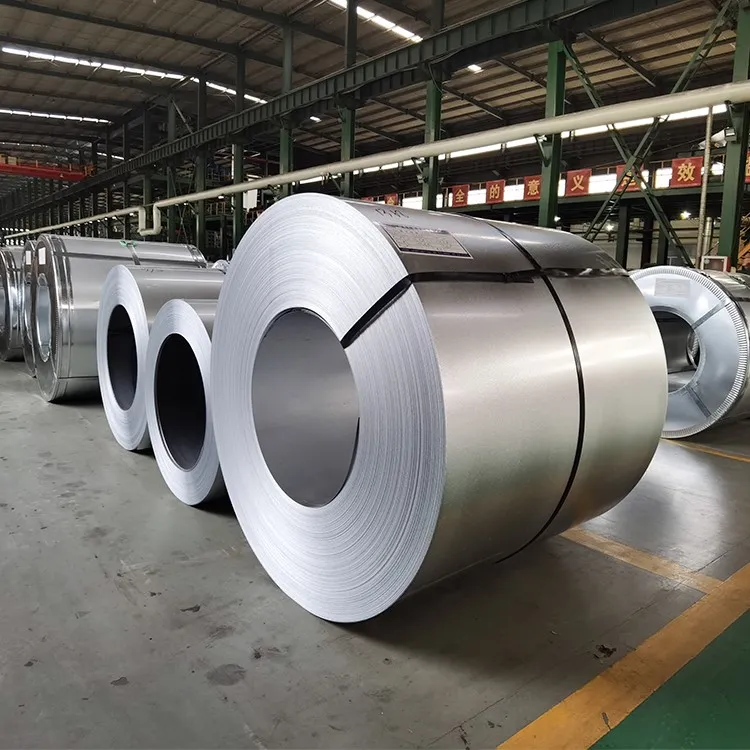
II. Why is strict temperature and humidity control necessary? What are the hazards of excessive temperature and humidity?
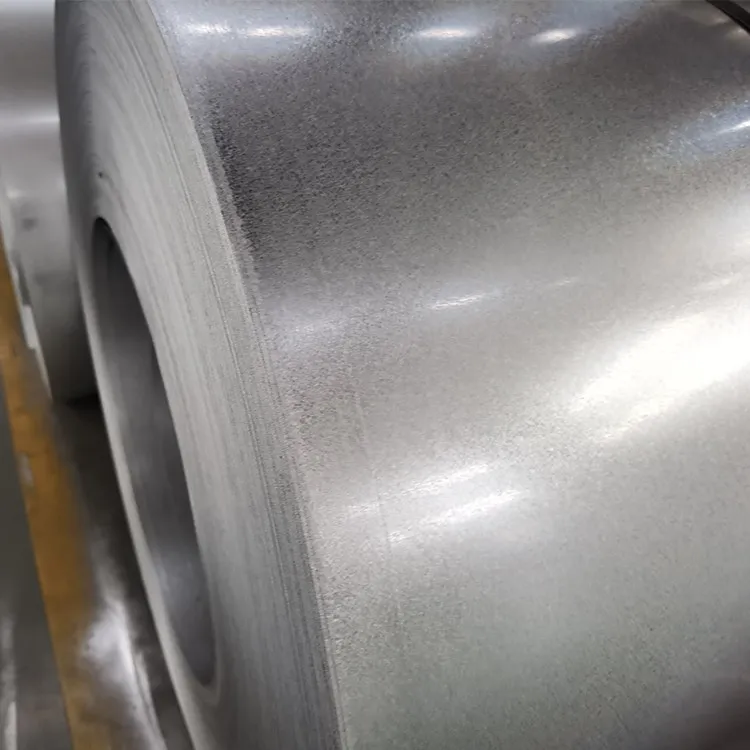
Strict temperature and humidity control is crucial to prevent "white rust" corrosion on the surface of galvanized coils. When galvanized coils are exposed to a humid environment, moisture adheres to the surface, forming a water film. The difference in oxygen concentration within this film creates an "oxygen concentration cell" effect, triggering electrochemical corrosion and producing white corrosion products-this is white rust. Studies show that the corrosion reaction is most severe when the air humidity reaches 60%, or in the range of 85% to 95%. Besides humidity, excessive temperature is also harmful: high temperatures accelerate the oxidation reaction of the zinc layer, shortening the service life of the galvanized coil. Therefore, uncontrolled temperature and humidity directly affect the quality deterioration and economic losses of galvanized coils.
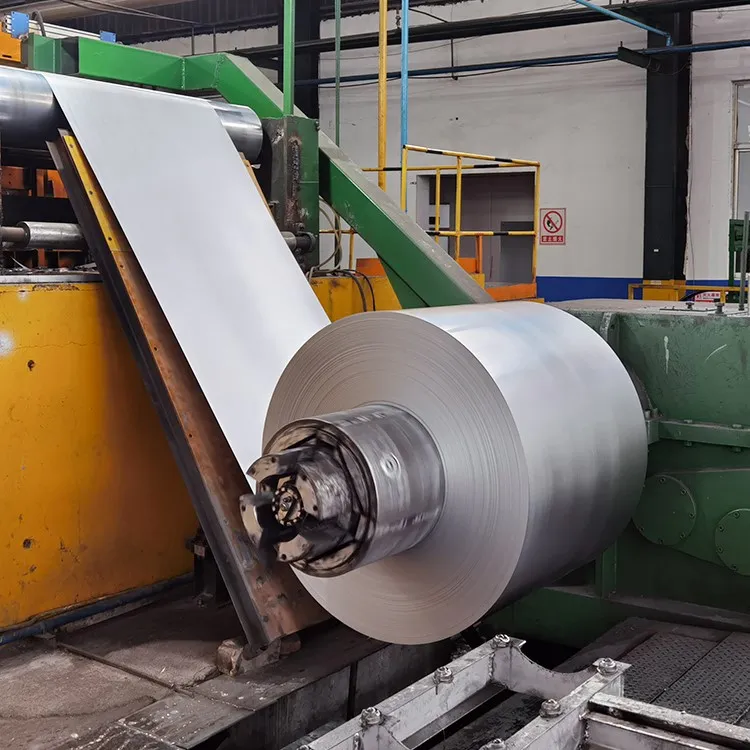
3. What are the specific precautions for temperature and humidity control in different seasons?
Summer and the rainy season are key periods for temperature and humidity control. High humidity can easily lead to condensation on the surface of the galvanized layer. Warehouses need to be equipped with dehumidifiers and other equipment to maintain the required humidity. At the same time, ultraviolet rays in summer sunlight can adversely affect the galvanized layer; warehouses should be equipped with shade nets or curtains to avoid direct sunlight. In winter, special attention needs to be paid to the "condensation" problem: when galvanized coils with lower temperatures are moved into a warmer warehouse, the large temperature difference can easily cause condensation to form on the surface of the steel coils, inducing white rust. Therefore, before storing steel coils in winter, they should be stored indoors for a sufficient period of time to allow their temperature to approach the indoor temperature before packaging and storage.
4. How should warehouse temperature and humidity be monitored and recorded?
Warehouses should have thermometers and hygrometers installed in key locations. Warehouses larger than 100 square meters should have at least two thermometers and hygrometers installed, one near the outer edge where air circulation is possible, and the other in the center of the room. Regarding monitoring frequency, warehouse management personnel should record temperature and humidity data twice a day, from 9:00 AM to 10:00 AM and from 4:00 PM to 5:00 PM, and properly maintain the records. At the same time, good air circulation should be maintained in the warehouse. Windows can be opened on sunny days to promote air exchange, but they should be closed promptly on rainy days or in high-humidity weather to prevent external moisture from entering.
5. What adjustment measures should be taken when temperature and humidity exceed the standards?
When monitoring detects excessively high temperature and humidity, the warehouse manager should immediately take adjustment measures, including turning on the dehumidifier to reduce humidity, using air conditioning to cool down, and turning on the exhaust fan to enhance ventilation, to restore environmental parameters to the specified range, and to record any abnormalities. When the air humidity is too low and the environment is excessively dry, ventilation can be appropriately reduced, and humidification can be achieved through methods such as sprinkling water or spraying mist. Furthermore, the stacking location of galvanized coils is also crucial: steel coils must not be placed in direct contact with the ground; they should be elevated at least 15 cm using wooden or rubber blocks to prevent moisture from the ground from rising and corroding the coils.