


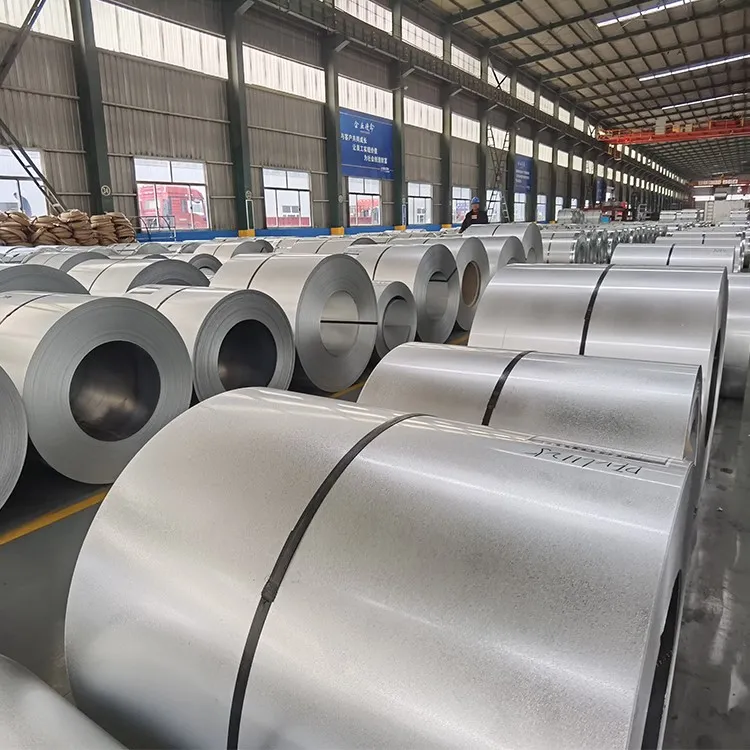
1. What is the normal process loss rate for simple slitting or leveling of galvanized coils?
A: If edge trimming is not required and no large amount of waste material is generated during processing, the loss rate is generally very low. Based on industry experience, the loss for simple slitting and leveling is usually below 0.3%, and sometimes even almost zero. The specific loss depends on the quality of the material and the number of slits. In contrast, a loss rate of 0.8% is considered high and requires checking for problems with the processing technology or raw material quality. Additionally, in precision slitting, the burr height must be controlled to no more than 4% of the plate thickness; this is also an indicator of processing accuracy and indirectly affects loss.
2. What is the approximate loss rate range when galvanized coils undergo more complex finishing processes?
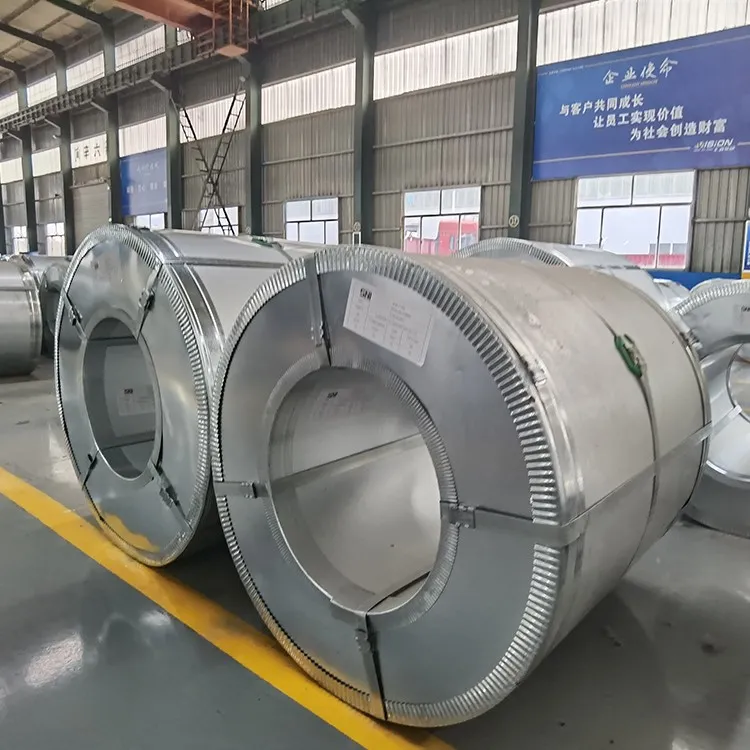
A: The loss rate increases significantly when galvanized coils require further processing-such as stamping into components, manufacturing curtain wall panels, or processing into finished parts. From the perspective of finished product utilization, the utilization rate of galvanized iron sheets as finished products is approximately 85%, from which the overall loss rate can be deduced to be approximately 15%. From the perspective of curtain wall project budgeting, the normal loss rate of galvanized iron sheets is set at 25%, which is a more lenient estimate, mainly considering scrap materials during layout and cutting, as well as a certain degree of operational error. Therefore, the specific value used needs to be determined based on the complexity of the actual processing technology, the regularity of the part shape, and the level of optimized layout, ranging roughly between 15% and 25%.
3. How should processing losses of galvanized coils be accounted for in project budgeting and quantity calculation?
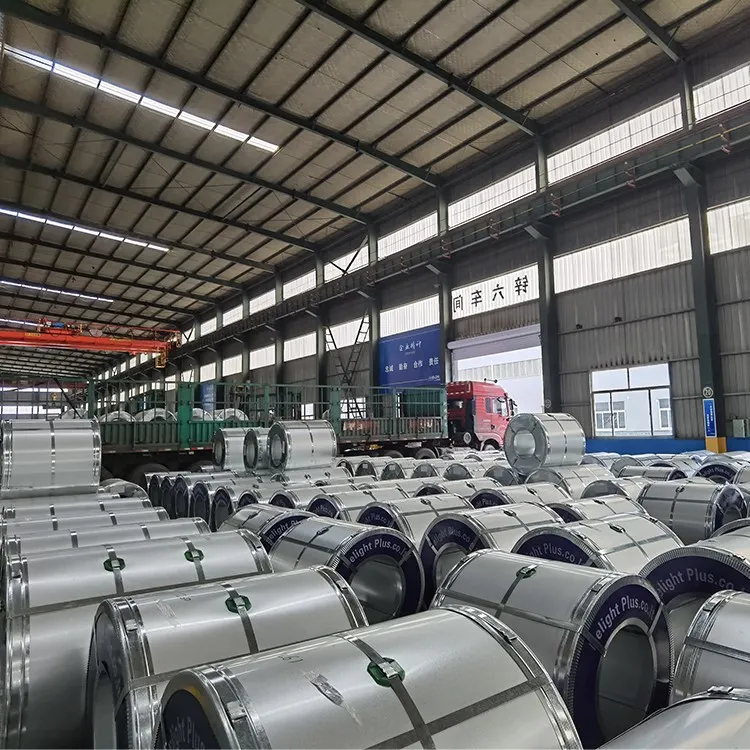
A: When budgeting or calculating material procurement, losses cannot be simply calculated using a single value; they encompass multiple levels. First, there's the processing loss, which is the unavoidable material loss during the process from raw coil to finished product of specified dimensions, due to shearing, punching, and edge trimming. Second, there's the factor of layout utilization. When processing irregularly shaped parts or non-standard sized plates, improper layout can lead to additional edge and scrap losses, which are often greater than simple length-cutting losses. The general calculation formula is: Total Requirement = Net Usage × (1 + Loss Rate). Net usage is the theoretical usage calculated based on drawings, while the loss rate is determined comprehensively based on processing methods, part shapes, and management levels. It's particularly important to note that in budgets for projects like curtain walls or steel structures, the loss rate is generally included in the material unit price. When ordering, it's crucial to clarify with the supplier whether settlement is based on theoretical weight or actual weighed weight to avoid misunderstandings.
4. What factors affect the processing loss of galvanized coils?
A: Factors affecting loss can be divided into several levels. At the raw material level, the surface quality, flatness, and thickness uniformity of the galvanized coil directly affect the amount of defective material that must be removed; defective raw materials lead to greater losses at the beginning and end of the cut. At the processing level, whether edge trimming is performed, the number of slits, the precision of the stamping die, and the complexity of the part shape all determine the proportion of scrap. For example, precision CNC stamping significantly reduces loss compared to manual cutting, but additional scrap may be generated during equipment debugging. Furthermore, the matching degree of order specifications is also important. If the finished product size required by the customer does not match the original width of the galvanized coil, the level of layout optimization directly determines the amount of scrap. Finally, management level and operator proficiency are also variables that cannot be ignored.
5. What should be done when significant losses or quality disputes occur during the processing of galvanized coils?
A: When actual losses far exceed reasonable expectations, the first step should be to investigate which stage the losses originated from. If losses are abnormally high during the leveling and slitting stage, the raw materials should be checked for surface defects such as exposed iron, zinc layer peeling, or severe scratches. These are raw material quality issues, and the responsibility should lie with the raw material supplier, not the processor. If the increase in scrap is due to insufficient processing precision, a claim should be made against the processing service provider. In dispute resolution, the key is to agree on the calculation basis beforehand: the contract should clearly state whether settlement is based on theoretical weight or actual weighed weight, and whether losses are included in the processing unit price. From the perspective of customs and processing trade management, process losses refer to the necessary consumption in normal processing besides net consumption. Excess losses not caused by mismanagement should not be included in the reasonable loss category. Therefore, it is recommended to agree on clear upper limits for losses for different processing methods when signing processing contracts, and to retain complete processing records and weighing data to provide objective evidence in case of disputes.