


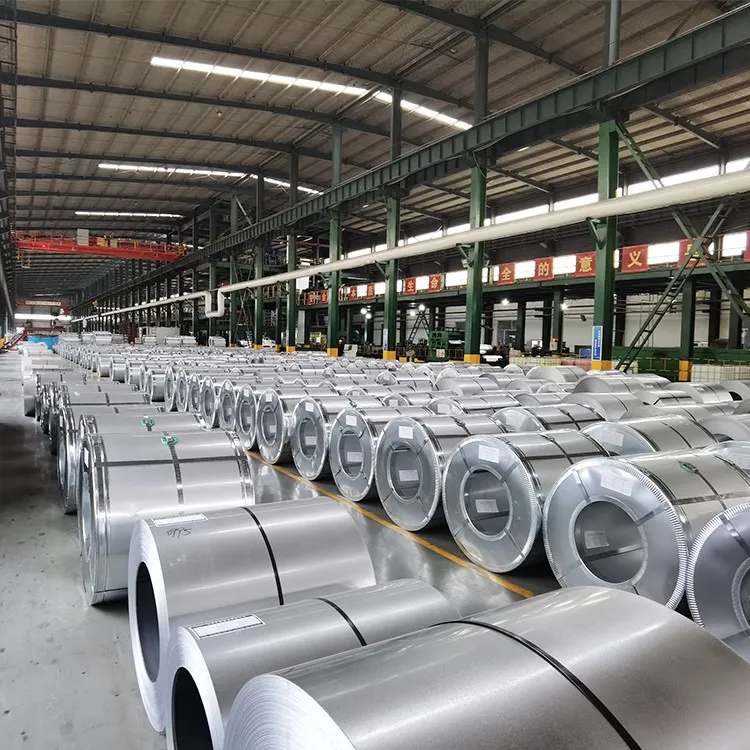
1. What aspects of appearance quality must be checked during the acceptance of galvanized coil projects?
A: Appearance inspection mainly involves checking whether the galvanized layer is continuous and uniform, and there should be no serious defects such as exposed iron, peeling, zinc nodules, incomplete plating, or cracks. At the same time, observe whether there are obvious scratches, black spots, white rust, uneven zinc bloom, or color differences on the surface. If these defects exceed the allowable range in the contract or standards, the project should be deemed unqualified.
2. How is the zinc coating thickness (or zinc coating weight) inspected?
A: During inspection, the zinc coating thickness (or weight) must be measured at at least three different locations on the coil (e.g., the beginning, middle, and end) according to the agreed nominal value. The average value of the measured zinc coating weight must not be lower than the nominal value, and no single point value should be lower than 90% of the nominal value. A magnetic thickness gauge is commonly used, and the results must comply with GB/T 2518 or the contract specifications.
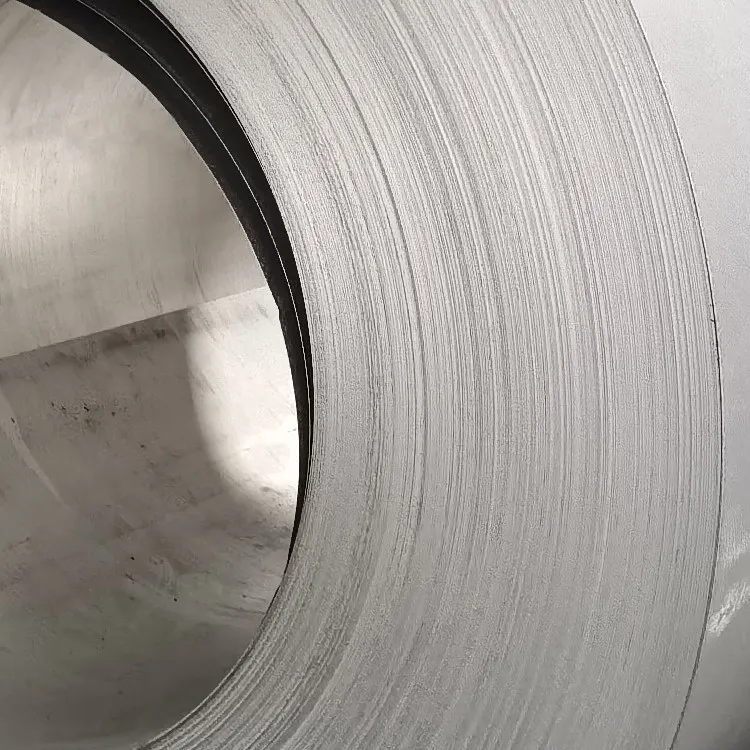
3. What are the key indicators for mechanical performance acceptance?
A: The core indicators include yield strength, tensile strength, elongation after fracture, and bending tests if necessary. During acceptance, samples should be cut from the galvanized coil and tensile tests should be performed in the standard direction (usually the rolling direction). The results must meet the standard requirements corresponding to the grade specified in the contract. For example, DX51D+Z corresponds to lower strength, while S350GD+Z requires high strength and good formability.
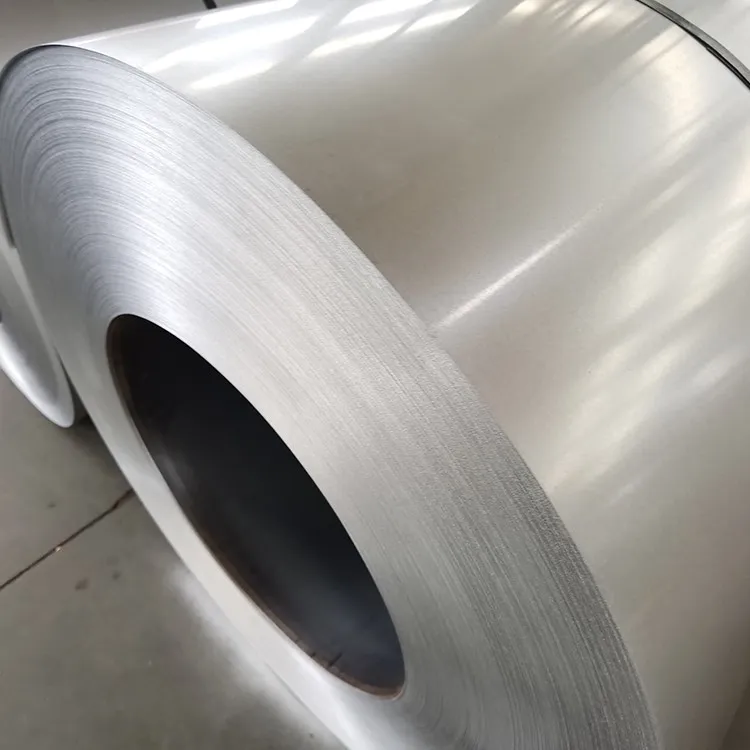
4. How is the adhesion (or workability) of the galvanized layer inspected?
A: It is inspected through a bending test or impact test. The bending test involves bending the galvanized sheet 180° around a mandrel of specified diameter and checking for cracks or peeling of the zinc layer on the outer surface of the bent area. For high-quality projects, no zinc layer peeling is allowed on the bent surface; only minor cracks are permitted without exposing the iron. For projects with high requirements, a double bending or cupping test may also be performed.
5. What are the key points for dimensional accuracy (thickness, width, flatness) acceptance?
A: During acceptance, the actual thickness (including the zinc layer) of the galvanized coil must be measured. The deviation must not exceed the tolerance range agreed upon in the contract. Generally, according to GB/T 2518, the allowable thickness deviation is ±0.03mm to ±0.08mm (depending on the nominal thickness). The width deviation is generally controlled within 0 to +5mm. Flatness is mainly measured by the camber, waviness, or unevenness value (such as warping height per meter) of the strip. For projects requiring slitting or tracking applications, non-compliance with flatness standards will directly lead to returns.