What Material is ST14 Exactly?
ST14 is a common type of cold-rolled steel sheet belonging to the low-carbon steel category. Its naming convention is simple and direct: "ST" stands for Steel, while "14" identifies its specific performance grade. This material is renowned for its excellent formability and moderate strength, making it particularly suitable for applications requiring complex shape processing. In industrial production, it is as easy to mold into various shapes as dough, while still maintaining sufficient structural strength.
-
Chemical Composition of ST14
| Element (Symbol and Name) | Percentage Range (%) |
|---|---|
| C (Carbon) | 0.06 - 0.08 |
| Mn (Manganese) | 0.30 - 0.60 |
| P (Phosphorus) | ≤ 0.025 |
| S (Sulfur) | ≤ 0.025 |
| Fe (Iron) | Balance |
The primary alloying elements in St14 steel play crucial roles in its properties:
- Carbon (C): The low carbon content enhances ductility and reduces hardness, making the steel easier to form and weld.
- Manganese (Mn): Improves strength and toughness, while also aiding in deoxidation during steelmaking.
- Phosphorus (P): In small amounts, it can improve machinability but may also lead to brittleness if present in higher concentrations.
-
Mechanical Properties of ST14
| Property | Condition/Temper | Typical Value/Range (Metric) | Typical Value/Range (Imperial) | Reference Standard for Test Method |
|---|---|---|---|---|
| Tensile Strength | Annealed | 270 - 350 MPa | 39 - 51 ksi | ASTM E8 |
| Yield Strength (0.2% offset) | Annealed | 150 - 220 MPa | 22 - 32 ksi | ASTM E8 |
| Elongation | Annealed | 30 - 40% | 30 - 40% | ASTM E8 |
| Hardness (Brinell) | Annealed | 80 - 100 HB | 80 - 100 HB | ASTM E10 |
| Impact Strength (Charpy) | -20°C | 30 - 50 J | 22 - 37 ft-lbf | ASTM E23 |
-
Physical Properties of ST14
| Property | Condition/Temperature | Value (Metric) | Value (Imperial) |
|---|---|---|---|
| Density | - | 7.85 g/cm³ | 0.284 lb/in³ |
| Melting Point | - | 1425 - 1540 °C | 2600 - 2800 °F |
| Thermal Conductivity | 20°C | 50 W/m·K | 34.5 BTU·in/h·ft²·°F |
| Specific Heat Capacity | 20°C | 0.49 kJ/kg·K | 0.12 BTU/lb·°F |
| Electrical Resistivity | 20°C | 0.000017 Ω·m | 0.000010 Ω·in |
| Coefficient of Thermal Expansion | 20-100°C | 11.5 x 10⁻⁶/K | 6.4 x 10⁻⁶/°F |
-
Weldability
| Welding Process | Recommended Filler Metal (AWS Classification) | Typical Shielding Gas/Flux | Notes |
|---|---|---|---|
| MIG | ER70S-6 | Argon + CO₂ mix | Good for thin sections |
| TIG | ER70S-2 | Argon | Excellent for clean joints |
| Stick | E7018 | - | Requires preheat for thick sections |
Request Latest Steel Price Today
Typical Application Scenarios for ST14
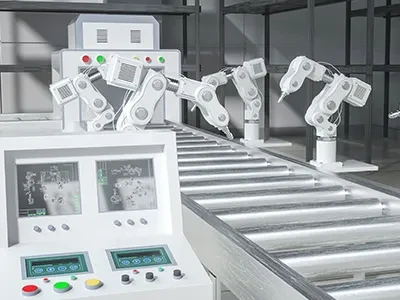
Automotive Manufacturing: Used for components requiring complex forming, such as doors and hoods.
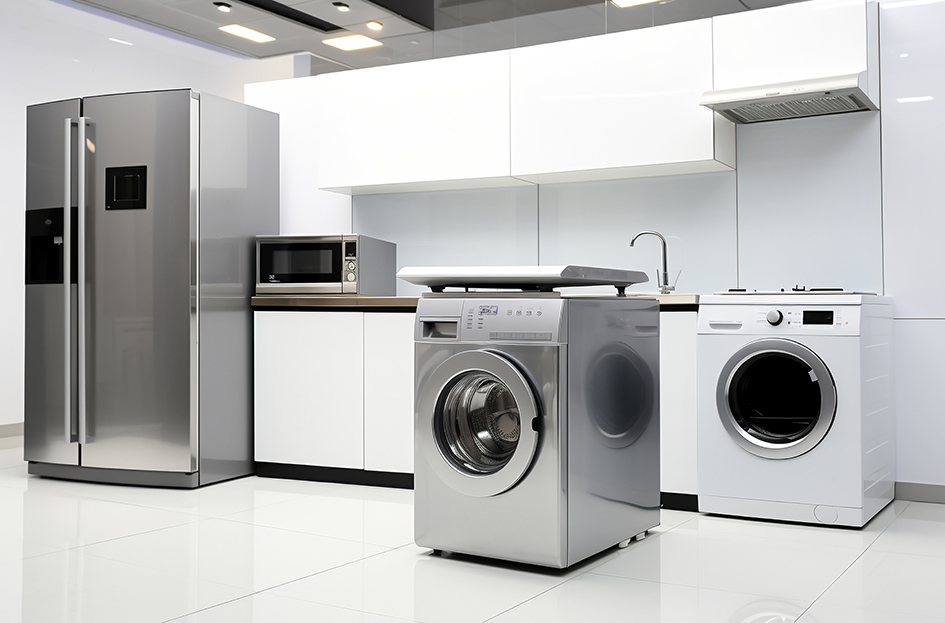
Home Appliance Casings: A common material for the shells of refrigerators, washing machines, and other appliances.
Architectural Decoration: Light steel structures and interior decorative components.
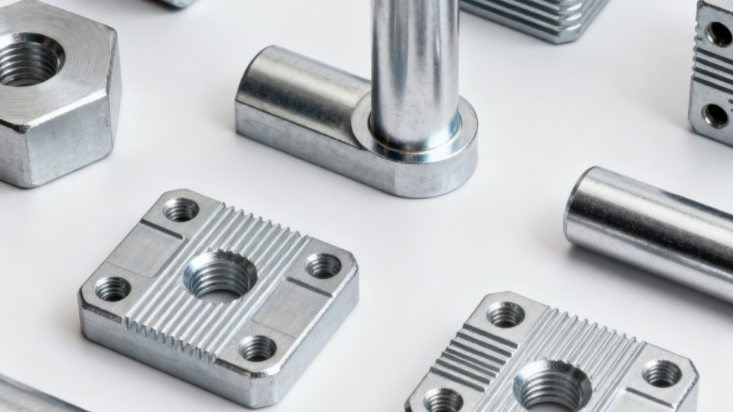
Hardware Products: Various metal containers, toolboxes, and more.

Precautions for Selecting ST14
While ST14 is versatile, it is not a universal material. When considering ST14, it is necessary to evaluate the environmental corrosiveness (surface treatment may be required), load-bearing requirements (not suitable for high-load components), and processing methods (excellent stamping performance, but welding requires attention). Compared to similar materials, its cost-effectiveness is often ideal, making it particularly suitable for mass-produced lightweight components.
Request Latest Steel Price Today
FAQ
GNEE's Partners