


1. Where does the recycling value of galvanized color-coated steel coil scrap come from?
Its recycling value is mainly reflected in two aspects:
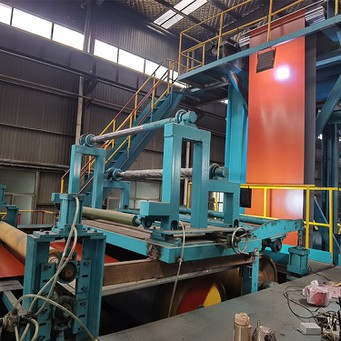
**Base Material Recycling Value:** This is the most crucial part. As the primary recycling target, the hot-rolled or cold-rolled substrate in the scrap can be remelted and manufactured into new steel plates, coils, and other steel products. This market is enormous; for example, in 2024, approximately 6.38 million tons of steel were recycled from galvanizing production and processing waste in China alone.
**Added Value of the Zinc Layer:** The surface galvanized layer (such as Z80, Z120, etc.) has a certain metallic value. Currently, specialized technologies exist to recover the zinc, using the recovered zinc to remanufacture zinc alloys, meeting the raw material needs of the galvanizing industry and achieving high-value utilization of secondary resources.
2. What is the current (approximately April 2026) recycling price for galvanized color-coated steel coil scrap?
Current recycling prices mainly reference the "scrap steel" market, fluctuating within a wide range of 1400 to 4000 yuan per ton, depending on its cleanliness and processing level. Below are recent (April 2026) reference prices for different categories in some regions:
Color-coated steel sheet, scrap iron: 1650 - 2150 yuan/ton
Galvanized packaging rings, cold and hot rolled stamping scrap/edges: 1750 - 2180 yuan/ton
Automotive galvanized steel sheet edge scrap (professionally processed): Higher price; its products can replace ductile iron.
Mixed material color-coated steel sheet: Prices generally range from 1800 to 3500 yuan/ton
Transparent bidding and auction: Sometimes processed through dedicated trading platforms, prices are higher.
3. What factors influence the final recycling price of scrap?
The final transaction price is a dynamic result, mainly influenced by the following aspects:
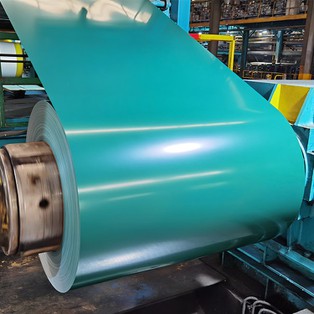
Basic Attributes: The thickness and weight of the steel substrate are fundamental to its value; the higher the difficulty in processing coating types (such as PE, PVDF, etc.), the higher the cost; the higher the purity and integrity of the scrap, the greater its value.
Market Conditions: Fluctuations in scrap steel prices, regional differences (demand is stronger in industrially developed regions such as the Yangtze River Delta), and transaction volume (larger batches offer higher premiums) all directly affect the final price.
Recycling Costs: If materials and coatings are mixed, the more complex the recycling process (sorting, transportation, zinc removal, etc.), the higher the cost, and the lower the final recycling price.
4. What are the main disposal destinations and reuse pathways for recycled waste materials?
Waste material treatment methods are diverse, primarily including:
Recycling and Remelting: After collection, cleaning, and sorting, the waste is fed into a smelting furnace. Chemical solvents are added during smelting to separate the metal and coating, ultimately yielding high-quality metal raw materials suitable for casting (e.g., replacing pig iron in high-speed rail and wind power castings).
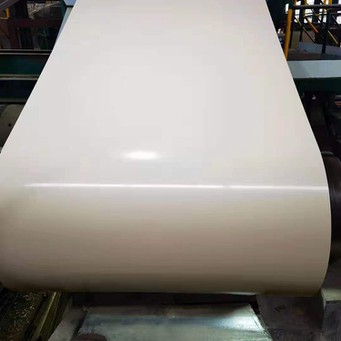
Direct Recycling: Waste color-coated steel sheets are directly processed into new building materials, or into steel plates and profiles; scraps can be used to manufacture non-critical components for automobiles and home appliances. Some advanced companies employ "short-process" technologies, resulting in higher efficiency.
High-Value Resource Recovery: Surface zinc in waste materials is recovered using methods such as ammonia leaching, impurity removal, and electrowinning. Mature processes already exist to achieve solution recycling, reaching zero wastewater discharge standards-a pollution-free green process.
5. What are the environmental and socio-economic benefits of recycling galvanized color-coated steel coil waste?
From a macro perspective, its significance extends far beyond the economic aspect:
In terms of resources: Recycling the steel and zinc coating from color-coated steel sheets can significantly reduce the demand for primary iron and zinc ore mining; it also reduces greenhouse gas emissions by more than 60 million tons.
In terms of environmental protection: It avoids the simple landfill disposal of waste color-coated steel sheets, reducing the risk of heavy metal pollution at the source; advanced processes can also ensure zero wastewater discharge and complete separation of harmful substances.
In terms of economics: It effectively saves raw material procurement costs for enterprises and creates new profit points; at the same time, the green and low-carbon industrial model can also enjoy environmental tax incentives.