


SECC steel (Electro-Galvanized Cold Rolled Steel) is widely used in metal enclosures due to its corrosion resistance, smooth surface, and excellent formability. Choosing the right thickness is critical-it affects structural strength, durability, and electromagnetic interference (EMI) shielding. Selecting the optimal thickness ensures your enclosure protects internal components while remaining cost-effective.
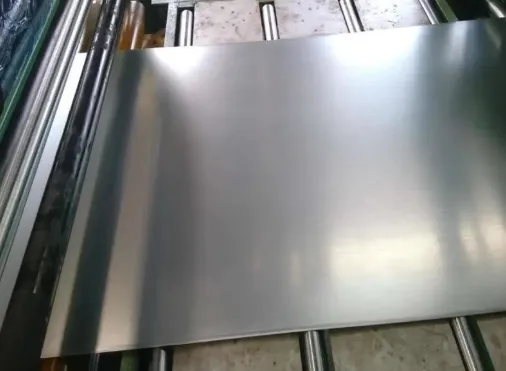
SECC refers to cold-rolled commercial-grade steel with an electrolytic zinc coating. It is produced by applying a thin, uniform zinc layer to the surface of high-quality cold-rolled steel sheets through electroplating technology. Unlike hot-dip galvanized steel, SECC features a flat, smooth surface, consistent coating thickness, and no excessive zinc spangles, making it ideal for enclosures requiring high surface flatness and precise dimensional tolerance.
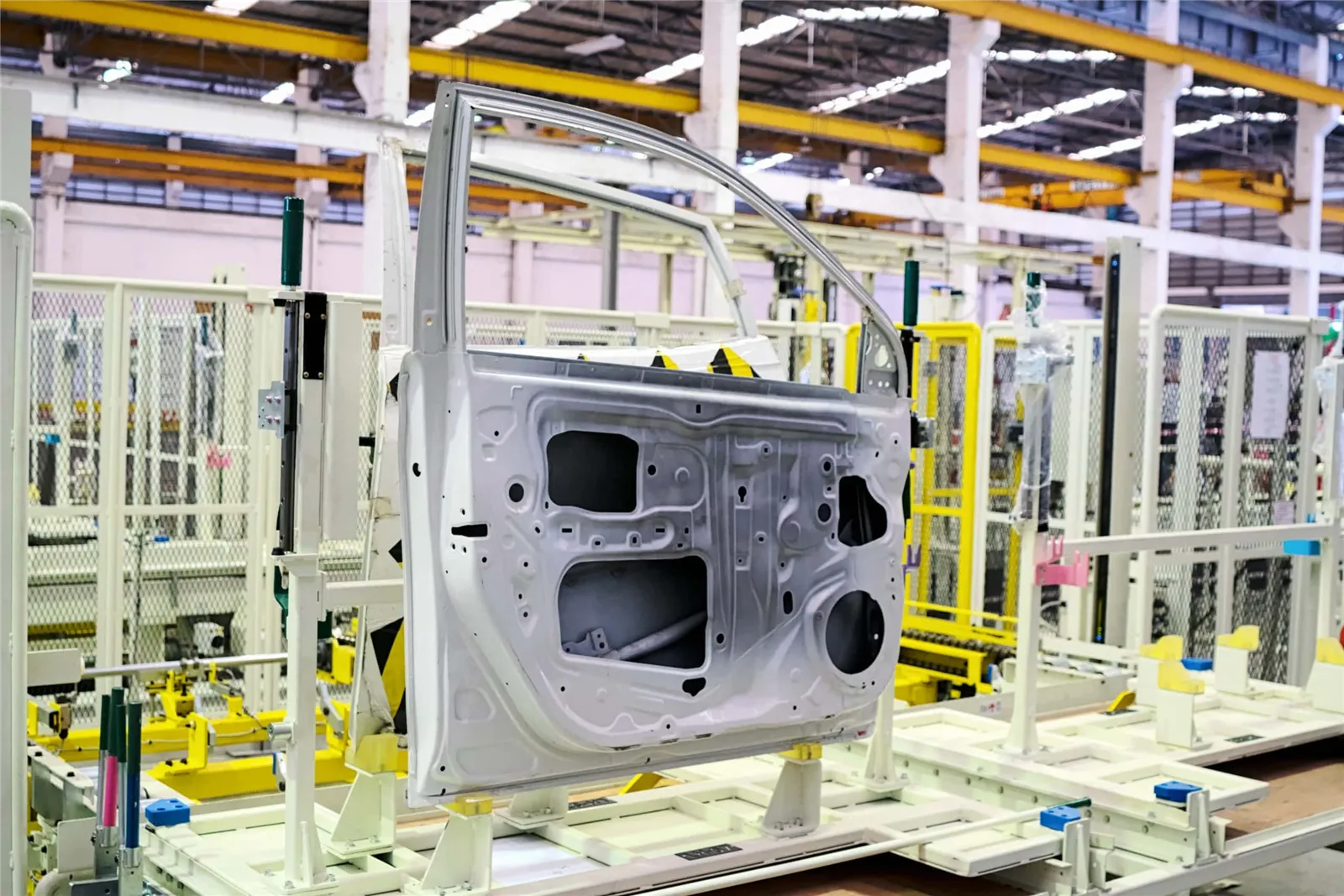
Additionally, SECC steel boasts outstanding bending, stamping, and punching performance, which fully adapts to the complex forming processes of customized metal enclosures.
Common SECC Thickness for Enclosures
In the sheet metal enclosure manufacturing industry, the conventional applicable thickness range of SECC steel is 0.6mm to 2.0mm. Thicknesses below 0.6mm are excessively thin for independent enclosure structures and are only suitable for auxiliary decorative panels; thicknesses above 2.0mm will cause increased material weight, difficult processing, and higher costs, which are unnecessary for most conventional enclosure scenarios. The following table summarizes typical SECC thicknesses, corresponding application scenarios, and core advantages:
SECC steel sheets for enclosures generally range from 0.6mm to 2.0mm. The choice depends on the application, load requirements, and environmental conditions.
| Application Type | Typical Thickness | Benefits |
|---|---|---|
| Small electronic boxes | 0.6 – 0.8 mm | Lightweight, easy to bend and stamp |
| Medium enclosures | 1.0 – 1.2 mm | Balanced strength and cost |
| Industrial / heavy-duty | 1.5 – 2.0 mm | Maximum protection and rigidity |
Get SECC steel sheets Price Now
Why Thickness Matters for Metal Enclosures
Steel thickness is the core structural parameter that determines the comprehensive performance of SECC metal enclosures, with three key functional impacts:
1.Structural Strength & Durability: Thicker SECC sheets provide higher rigidity and load-bearing capacity, effectively preventing enclosure deformation, warping, or structural damage caused by internal component weight, external extrusion, or long-term vibration. Thin sheets are prone to bending and structural instability, failing to protect internal precision equipment.
2.EMI/RFI Shielding Performance: Metal thickness directly affects the electromagnetic shielding effect of enclosures. Appropriate sheet thickness can effectively isolate external electromagnetic interference (EMI) and radio frequency interference (RFI), prevent internal signal leakage, and ensure the stable operation of electronic and communication equipment.
3.Service Life & Environmental Adaptability: Thicker SECC steel has better resistance to impact, abrasion, and environmental erosion. In humid, dusty, or vibration-intensive working environments, reasonable thickness selection can significantly extend the service cycle of enclosures and reduce maintenance and replacement costs.
Factors Affecting Thickness Choice
1.Structural Load: Heavier components require thicker steel to prevent bending or deformation.
2.Environmental Exposure: Outdoor or humid environments may require thicker steel with additional coatings for corrosion resistance.
3.Manufacturing Process: Processes like bending, stamping, or punching may influence the minimum thickness needed to maintain shape.
4.EMI/RFI Shielding: Thicker SECC improves shielding effectiveness for sensitive electronics.
5.Cost: Thicker sheets increase material costs, so it is important to balance strength and budget.
Recommended Thickness by Application
1.Electronics / Telecom:
0.6 – 1.0 mm for small enclosures, light weight, and easy fabrication.
2.Industrial Machinery:
1.2 – 1.5 mm for medium enclosures with higher structural requirements.
3.Outdoor / Harsh Environment:
1.5 – 2.0 mm for enclosures exposed to moisture, heat, or mechanical stress.


Practical Tips / Best Practices
Verify the load and environment before selecting thickness.
Consider surface treatments (powder coating, painting) for additional corrosion protection.
-
Specification
| Product | Galvanized steel coil(Gi Coil) | |||
| Width | 1000mm/1219mm/1240mm/1500mm/2000mm or as customer's requirements | |||
| Thickness | Cold rolled:0.1~4.0mm | |||
| Hot rolled:4mm~100mm | ||||
| Length | 100mm to 12000mm or as customer's request | |||
| Zinc coating | 60g/m²-275g/m²- | |||
| Grade | SPCC,SPCD,SPCE,ST12-15,DC01-06,Q195A-Q235A,Q195AF-Q235AF, Q295A(B)-Q345A(B) |
|||
| Standards | AISI ASTM JIS SUS DIN GB | |||
| Certifications | ISO 9001 | |||
| Packing | Industry standard packaging or according to client's requirement | |||
FAQ
Q1: Can I use SECC steel thinner than 0.6mm for enclosures?
A: Thinner sheets may be suitable for very small, lightweight enclosures but risk deformation or insufficient protection.
Q2: Does thicker SECC steel improve EMI shielding?
A: Yes, thicker steel enhances electromagnetic shielding, which is important for sensitive electronics.
Q3: What surface treatments are recommended for outdoor enclosures?
A: Powder coating, painting, or additional galvanization can improve corrosion resistance in harsh environments.
Q4: How do manufacturing processes affect thickness selection?
A: Processes like bending, stamping, and punching may require a slightly thicker sheet to maintain shape and prevent cracking.