


Galvanized Steel Pipes
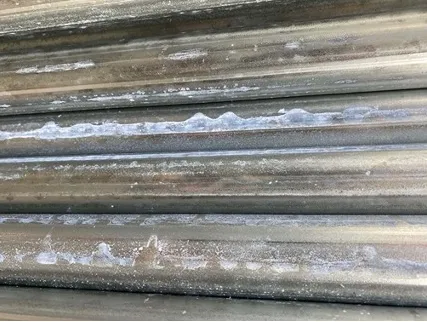
White rust is one of the most common and troublesome surface defects on hot-dip galvanized steel pipes and pre-galvanized steel pipes. It appears as white, powdery or flocculent corrosion deposits formed when pure zinc coating reacts with excessive moisture, high humidity, condensed water and oxygen in closed damp environments.
In international sea freight and long-term outdoor storage scenarios, galvanized steel pipes are extremely vulnerable to white rust formation. Long-distance ocean transportation brings high sea humidity, sea salt mist, temperature difference condensation and closed container dampness; while outdoor open-air storage faces rainwater soaking, morning dew adhesion and seasonal humidity changes. Severe white rust will not only damage the outer appearance of galvanized steel pipes, reduce surface smoothness and market sales value, but also weaken the overall anti-corrosion performance of zinc coating, shorten the service life of finished pipes used for fences, construction frameworks, pipeline engineering and other projects.
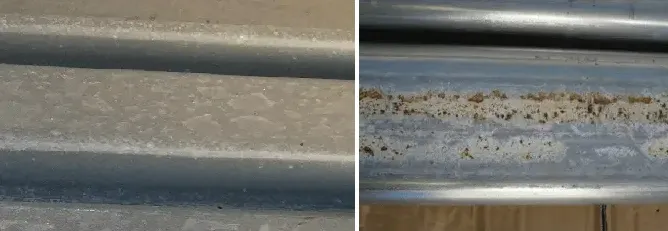
White rust
As a professional manufacturer and supplier of high-standard galvanized steel pipes, GNEE STEEL summarizes complete, practical and industry-standard anti-white rust solutions covering pre-treatment before shipment, packaging standards, sea freight control rules, outdoor storage specifications and post-rust emergency treatment. All measures conform to international shipping norms and metal material storage standards, easy to implement and fully suitable for bulk export orders and domestic large-scale stock storage.
Get The Latest Galvanized Steel Pipe Quotes
What Causes White Rust on Galvanized Steel Pipes
Before mastering prevention methods, it is necessary to clarify the core formation mechanism of white rust, so as to take targeted control measures.
Excessive Moisture and Condensation
Temperature difference fluctuation is the primary cause of condensed water inside steel pipe bundles and shipping containers. When galvanized steel pipes with low surface temperature are placed in high-temperature and high-humidity closed space, water vapor will condense into tiny water droplets attached evenly on the zinc coating surface, which directly triggers zinc oxidation reaction and generates white rust.
Closed Non-Ventilated Environment
During sea freight, sealed shipping containers lack effective air circulation. After a long voyage, damp gas cannot be discharged smoothly, forming a continuous damp micro-environment around stacked galvanized steel pipes, accelerating the spread of white rust from local areas to the whole surface.
Sea Salt Mist Erosion
Ocean air contains a large amount of chloride ions. Salt mist adheres to the surface of galvanized steel pipes and mixes with moisture, greatly accelerating the corrosion speed of zinc layer and making white rust appear faster and more serious than ordinary land damp corrosion.
Unreasonable Stacking and Contact Pollution
Direct contact between steel pipes without isolation, contact with damp wood pallets, damp ground, acidic or alkaline sundries will cause local water accumulation and chemical contamination, forming white rust at contact points first.
Unfinished Surface Passivation Treatment
Galvanized steel pipes without complete passivation sealing treatment have rough and active zinc surface, poor moisture resistance, and are far more likely to produce white rust than pipes with qualified anti-rust passivation film.
Core Effective Methods to Prevent White Rust
1. Strict Surface Pre-Treatment Before Delivery
Surface treatment is the first line of defense against white rust, which can greatly improve the moisture resistance of zinc coating.
Conduct complete chromate-free passivation treatment on all finished HDG galvanized steel pipes and pre-galvanized steel pipes to form a dense protective film on the zinc layer surface, isolate moisture and air, and effectively inhibit oxidation reaction.
Carry out surface drying treatment after galvanizing processing, ensure all steel pipes are fully air-dried, no residual water stain, processing moisture and surface wet marks before packaging and loading.
Remove surface floating zinc, zinc ash and uneven zinc layer attachments to avoid local water storage caused by surface protrusions.
2. Standardized Moisture-Proof Packaging Measures
Scientific packaging can isolate external damp air and sea salt mist fundamentally, which is the key link for sea freight anti-rust.
Wrap each bundle of galvanized steel pipes with thick waterproof plastic film and woven waterproof tarpaulin tightly, ensure no gaps for damp air to penetrate inside the pipe bundle.
Use dry and moisture-proof kraft paper or anti-rust paper for inner lining isolation between steel pipes, avoid direct metal-to-metal close contact and reduce condensed water retention.
Equip each shipping container with sufficient high-efficiency desiccants and moisture absorbent bags, place them evenly at the top, corners and bottom of the container to absorb excess water vapor inside the closed space.
Use dry solid wood pallets or plastic pallets with low moisture content for bottom padding, strictly forbid damp wooden pallets with high water content to avoid bottom moisture reverse penetration.
3. Scientific Loading and Sea Freight Transportation Control
Unreasonable loading mode will aggravate damp gathering inside the container, and standardized loading can optimize internal air environment.
Keep reasonable gaps between stacked steel pipe bundles inside the container, reserve tiny ventilation gaps properly instead of dense full stacking, which is conducive to slow air flow and reduce local humidity concentration.
Try to avoid arranging galvanized steel pipe cargo near the container bottom easy to accumulate water and container door easy to enter sea wind and salt mist.
Choose regular shipping routes and stable temperature-controlled shipping services for long-distance ocean transportation, reduce drastic temperature difference changes during transshipment.
Before container sealing, fully ventilate the empty container to discharge internal damp gas, and confirm the container interior is dry and free of water leakage, water stain and mildew before loading goods.
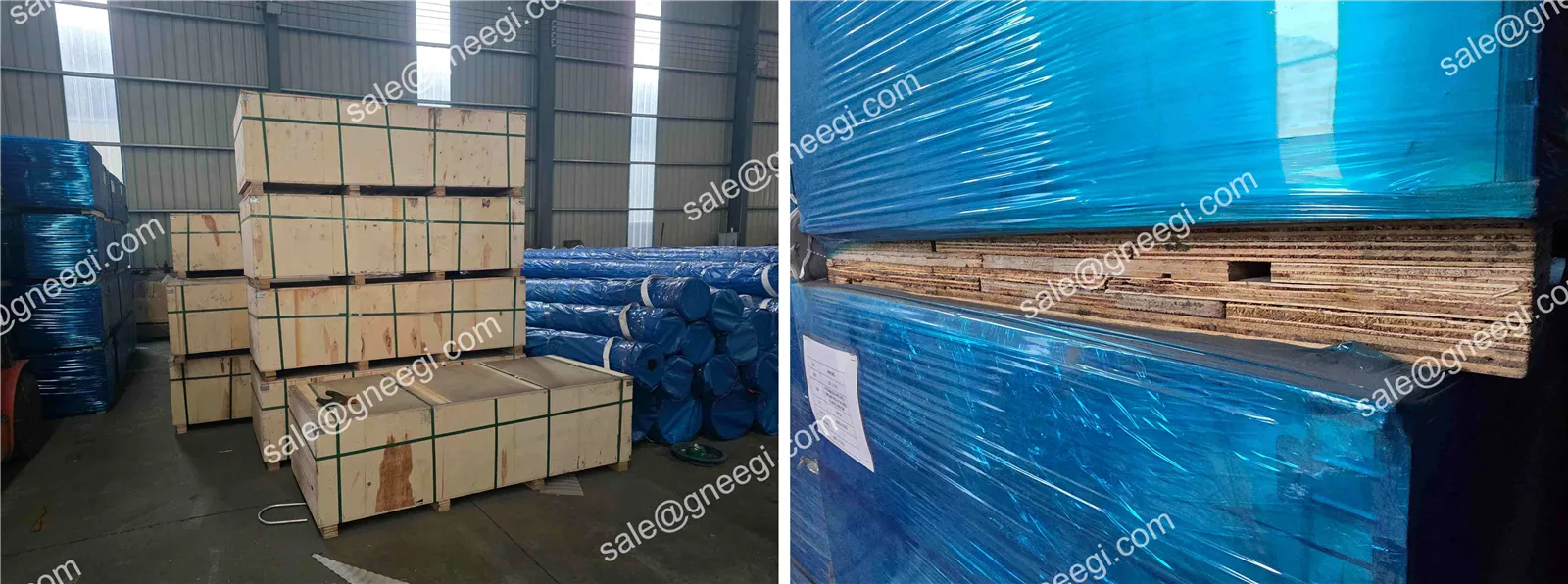
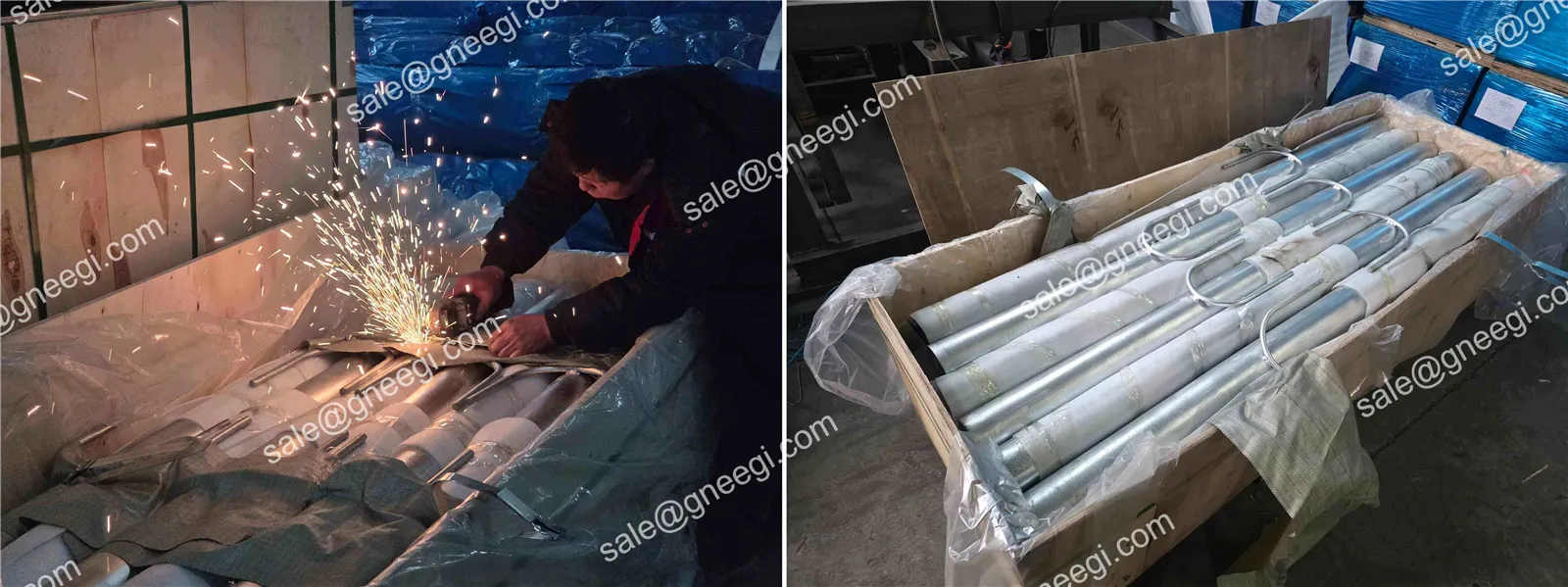
Packaging and shipping photos
4. Standard Outdoor Storage Management Rules
After goods arrive at the destination port or during factory inventory storage, correct outdoor storage can completely avoid white rust generation.
Ground isolation first: Never place galvanized steel pipes directly on wet muddy ground, cement ground with accumulated water or lawn. Must use pallets to pad up more than 30 cm from the ground, isolate ground moisture backflow.
Rain and dew shelter: For long-term outdoor storage, build simple rain shelters or cover the top of steel pipe stacks with complete waterproof tarpaulin, block rainwater scouring and early morning dew adhesion. Keep the side ventilation smooth, do not fully seal all sides.
Reasonable stacking height: Control the stacking height of steel pipes, avoid excessive extrusion leading to packaging damage and local airtight dampness. Classify and stack pipes of different specifications separately.
Regular inspection and ventilation: In rainy seasons and high-humidity seasons, regularly open the outer waterproof covering for natural ventilation and dehumidification, timely discharge damp gas accumulated inside the pipe bundles.
Environmental classification storage: Keep away from chemical workshops, sewage outlets, coastal high-salt areas and places with acid-base volatile gas, reduce corrosive gas contact.
5. Daily Storage Environment Humidity Control
The most suitable storage environment humidity for galvanized steel pipes is controlled below 65% relative humidity. Once the ambient humidity is higher than 75%, the risk of white rust will rise sharply. In high-humidity areas, auxiliary dehumidification equipment can be used to stabilize ambient humidity and create a low-humidity storage environment.
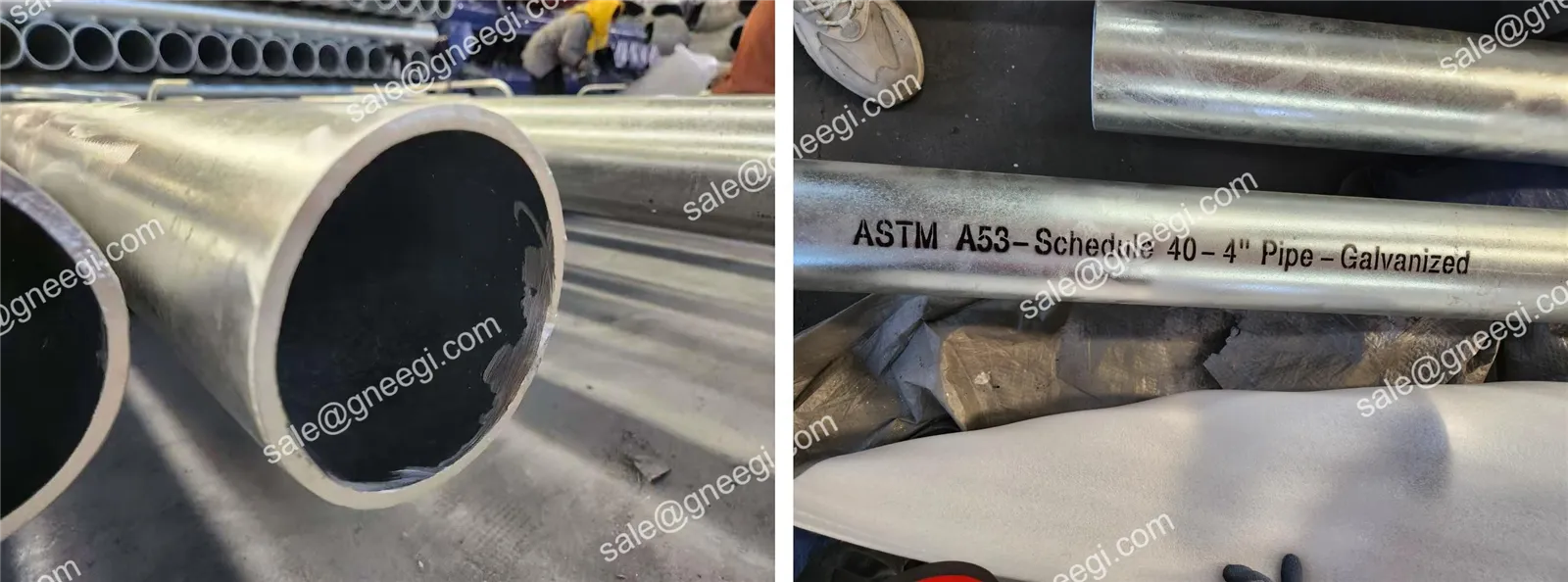
The Difference Between White Rust and Red Rust
Many buyers confuse white rust with red rust, here is a clear distinction for project procurement reference:
- White Rust: Occurs only on the surface of zinc coating, belonging to superficial light corrosion. After removing white rust, the complete steel base and intact zinc layer are still retained, which basically does not affect the overall structural strength and internal anti-corrosion performance of steel pipes.
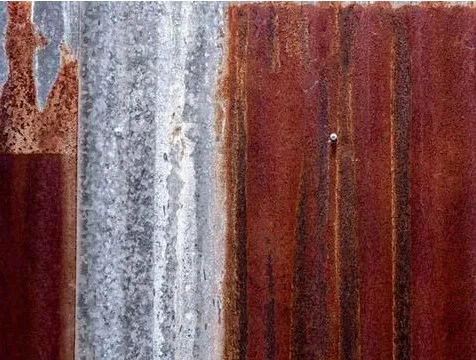
- Red Rust: Means the zinc coating has been completely corroded and penetrated, the internal steel substrate is oxidized and rusted. It belongs to permanent serious corrosion, which will directly affect the service life and engineering use safety of galvanized steel pipes.
It can be seen that timely prevention of white rust is not only to ensure appearance quality, but also to block the further development trend toward red rust.
Effective Solutions to Remove Existing Light White Rust
If a small amount of light white rust has appeared on the surface of galvanized steel pipes during transportation or storage, it can be eliminated by safe physical and chemical methods without damaging the zinc layer:
Use dry soft bristle brush or dry cotton cloth to wipe off loose white rust powder in dry weather.
Wipe the rusted part with dilute neutral weak alkaline cleaning solution, then rinse thoroughly with clean water and dry quickly in time.
After complete drying, spray a layer of galvanized special anti-rust maintenance agent or zinc-rich spray paint to repair the surface protective film.
Frequently Asked Questions (FAQ)
1. Will slight white rust affect the use of galvanized steel pipes for outdoor fences?
Slight superficial white rust will not affect the structural strength and long-term anti-corrosion performance of galvanized steel pipes for fences. After simple cleaning and maintenance, it can be used normally. But a large area of thick white rust needs to be dealt with in time to avoid accelerating coating aging.
2. Are pre-galvanized pipes easier to get white rust than HDG hot-dip galvanized pipes?
Yes. Pre-galvanized steel pipes have thinner zinc coating and weaker surface passivation effect, while HDG hot-dip galvanized steel pipes have thicker zinc layer and tighter metallurgical combination. Under the same damp shipping and storage conditions, pre-galvanized pipes are more prone to white rust.
3. How many desiccants need to be placed in one full container of galvanized steel pipes?
It is recommended to place 15 to 25 pieces of large-specification container desiccants in a standard 20GP container, and increase the dosage appropriately for ocean routes with high humidity and heavy fog seasons to ensure stable dehumidification effect.
4. How long can qualified packaged galvanized steel pipes avoid white rust during sea freight?
After adopting complete passivation treatment + full waterproof packaging + container dehumidification measures, qualified galvanized steel pipes can be kept free of obvious white rust within 60 days of conventional sea transportation, meeting the transportation cycle requirements of most global export orders.
5. Can galvanized steel pipes be stored outdoors in rainy days directly?
Absolutely not. In rainy weather, outdoor open placing will lead to a large amount of rainwater attached to the pipe surface, and rapid temperature drop will form condensed water inside the pipe bundle, which will produce a large area of white rust in a short time. Must be covered with waterproof tarpaulin for closed shelter storage.