


1. What types of specialized lifting tools should be used to avoid scratches when lifting galvanized coils?
Specialized lifting tools coated with soft materials should be prioritized for lifting galvanized coils. Avoid using bare steel clamps or wire ropes to directly clamp the coil surface. Specifically, the following types are the most common and effective: The first type is rubber-coated C-hooks. By adding first and second rubber pads to the bottom and top surfaces of the horizontal components above and below the C-hooks, and installing rubber anti-collision pads on the inside of the vertical components, an effective isolation is formed between the galvanized steel coil and the inner cavity of the C-hook, significantly reducing collision and scratches. The second type is electric horizontal coil lifting tools. These use PLC electronic control technology to achieve automatic clamping and zero clamping force, making them particularly suitable for precision galvanized coils that are susceptible to scratches and pinching. The lifting process is safe and convenient with zero damage to the coil surface. The third type is nylon slings or flat slings. These slings provide a wide and smooth bearing surface, causing minimal damage to the galvanized coil surface, and are particularly suitable when lifting objects with soft surfaces. The fourth type is lifting equipment using roller-type protective baffles. These baffles have a U-shaped design with multiple rollers within the grooves, ensuring sufficient clamping force while effectively preventing damage to the rolled edges. Most importantly, regardless of the type of lifting equipment used, it is absolutely forbidden to use unprotected bare steel lifting clamps and wire ropes to directly contact the galvanized coil surface, as this can cause irreversible scratches and indentations.
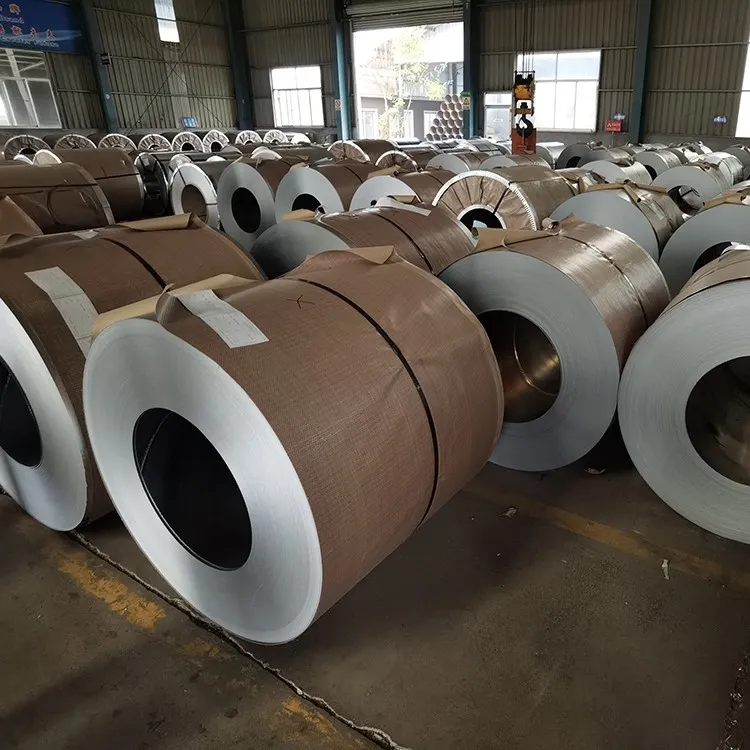
2. What preparations and inspections should be done before lifting to ensure that the galvanized coil is not damaged during hoisting?
Adequate preparation before lifting is the first line of defense against scratches. First, the weight of the galvanized coil must be confirmed, and appropriate handling equipment and lifting gear should be selected accordingly. Overloading is strictly prohibited. Second, operators should conduct a strict visual and functional inspection of the lifting gear: for rubber-coated C-hooks, it should be confirmed that the rubber pads and rubber anti-collision pads are undamaged, unaged, and not detached, and that the hook body itself is free of cracks and deformation; for electric lifting gear, the electrical control system must be checked to ensure it is functioning properly. It is particularly important to note that the rubber lining on the hook arm is prone to damage under stress, leading to frequent collisions and injuries to the coil during hoisting. Therefore, if aging or cracking of the rubber lining is found, it must be replaced immediately. When using plate clamps for hoisting, another easily overlooked detail should be noted: before continuously hoisting galvanized coils, the plate clamps must be thoroughly cleaned of coating residue, dust, and other blockages from the rotating jaws and cam teeth for each installation, ensuring complete tooth contact. Otherwise, residual coating debris can damage the galvanized layer during clamping. Finally, the overhead crane operation should be initiated according to the "look, test, and pass" standard. The hoisting procedure can only proceed after confirming that the trolley, crane, and hook are operating normally. The entire preparation work requires meticulous attention to detail, leaving no potential source of damage unchecked.
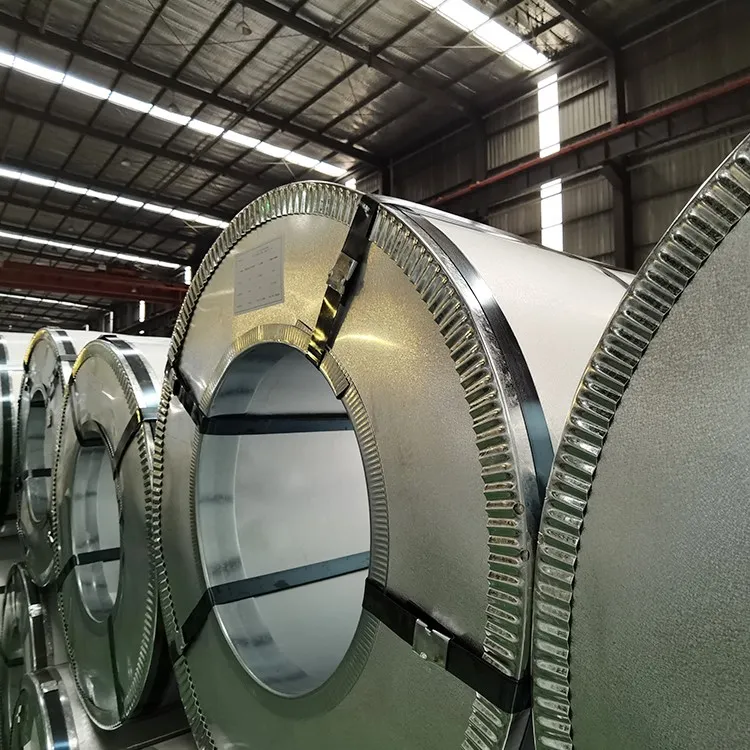
Three: What specific operating procedures can be followed during lifting and travel to avoid scratches?
The precision of the lifting operation directly determines whether the galvanized coil will be scratched. The core principles are "steady, slow, and straight." First, when lifting the galvanized coil, the center of gravity of the overhead crane's wire rope must be kept perpendicular to the center of gravity of the coil to avoid tilting due to a shift in the center of gravity. Once tilted, the end face of the coil is prone to lateral friction with the lifting gear. The lifting speed should be controlled within a reasonable range, generally recommended not to exceed 10 meters per minute. When the coil is about 0.3 meters away from the bearing surface, lifting should be paused to check whether the lifting gear is fully engaged, whether the coil is level, and whether there is any abnormal tilting. Work can only continue after confirming that everything is in order. Second, the overhead crane should maintain a smooth operation during travel and should not swing arbitrarily. Sudden lifting and lowering, excessive speed, or prolonged suspension in the air are strictly prohibited. These violent operations not only easily cause relative slippage between the coil and the lifting gear, resulting in scratches, but also pose serious safety risks. Finally, special care must be taken to avoid surrounding equipment during operation, and vigilance must be exercised to prevent collisions and abrasions caused by insufficient operational precision leading to the hook tilting and entering the inner coil of the steel coil. If abnormal swaying of the steel coil is observed during hoisting, the speed should be reduced and adjusted immediately; otherwise, continuous swaying impact can also cause hidden wear to the galvanized layer. Throughout the entire transportation route, operators must also assess the presence of obstacles or personnel in advance, maintaining a high level of vigilance to ensure the steel coil moves smoothly within a completely controllable range.
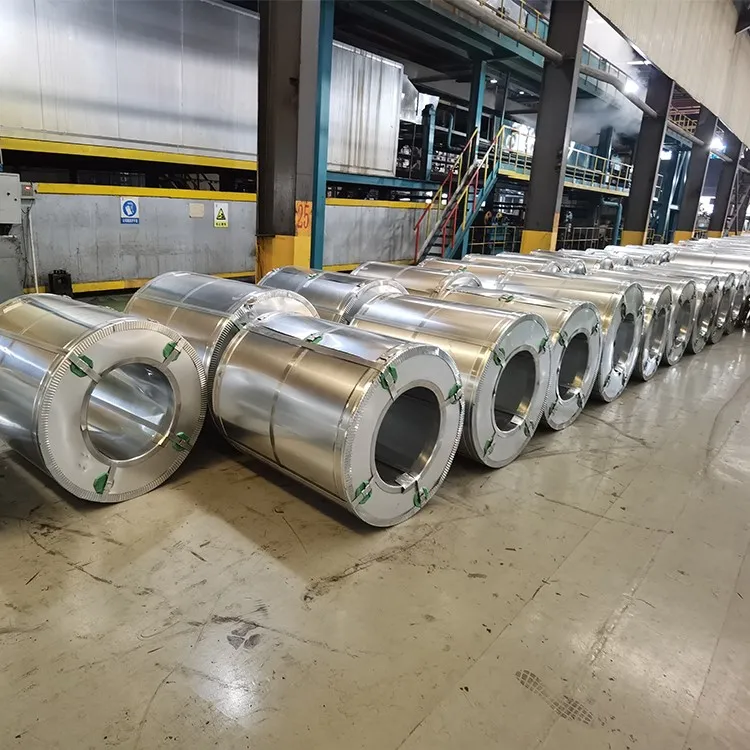
4. How to protect the end face and bottom of galvanized coils from damage during uncoiling and unloading?
The uncoiling and unloading stages are precisely where galvanized coils are most prone to impact and abrasion, yet this stage is often overlooked by operators. First, a flat, clean surface or placement area should be chosen for uncoiling. Experienced operators will lay waste rubber mats on the finished product storage area floor to avoid direct contact and hard friction between the steel coils and rough cement surfaces. This not only solves the problem of easily scratched steel coils but also effectively reduces subsequent maintenance costs and labor intensity. Second, the uncoiling operation must be performed at a uniform and slow speed; rough unloading is prohibited. The impact force generated when the coil hits the ground can also create hidden damage hazards. Finally, after the steel coil is placed on the anchor or pallet, plastic or paper corner protectors should be installed on the edges of the coil. The cushioning layer of the corner protectors acts as an additional "soft barrier" to prevent bumps and knocks during subsequent handling or transportation. After unloading, the surface of the roll must be inspected again, especially the end edges and bottom contact area, for any minor scratches or marks. If initial damage is found, it should be isolated immediately and handled according to quality procedures to prevent defective products from flowing into the next stage. For multiple rolls stacked together, each roll must be separated by wooden blocks or rubber spacers to avoid scratches on the galvanized layer caused by interlayer friction.
5. What other easily overlooked but crucial details are there for preventing scratches during hoisting?
Besides the selection of lifting equipment and main operating procedures, the following easily overlooked details also affect the surface quality of galvanized coils. First, the wear and tear on the contact points of the C-hook. Even C-hooks covered with rubber pads will experience wear and tear due to stress over time. Once the rubber lining on the hook arm fails, it will no longer provide effective protection. Therefore, worn protective materials should be replaced regularly, rather than simply ignoring them and continuing to use them. Second, the use of inner protective sleeves. For thin-gauge galvanized coils, the internal impact rate is higher when using C-hooks for hoisting. A cylindrical sleeve made of polyurethane material can be installed inside the coil, with the hook body hooked at the sleeve's flange, thus completely isolating the lifting equipment from direct contact with the inner metal of the galvanized coil. Third, special care must be taken with galvanized coils with thick coatings. When the coating thickness on one side reaches or exceeds 0.2 mm, it is strictly forbidden to use steel plate clamps for lifting. Lifting aids must be used instead, or technical communication with the equipment supplier must be conducted. Fourth, when lifting "tower-shaped" (i.e., coils with uneven ends) galvanized coils, special attention should be paid to severe deviations in the center of gravity. Extreme caution must be exercised to prevent overturning. These abnormally shaped coils are more prone to end-face scratches during lifting. Fifth, operators must not wear sharp jewelry during lifting, and it is forbidden to use metal pry bars to pry and adjust the sheet material using the edge as a fulcrum. Everyday tools should also be stored in a centralized location to prevent them from falling and damaging or scratching the sheet surface. Finally, each work area should establish a regular inspection mechanism for lifting equipment. Every 6 months, critical lifting equipment such as C-hooks should be subjected to flaw detection to completely eliminate quality black boxes caused by equipment hazards at the tool level.