


1. What are the main types of sealed packaging for galvanized coils? How to select the appropriate type based on needs?
The type of sealed packaging for galvanized coils is mainly selected based on rust prevention level, storage period, transportation method, and cost requirements. The industry generally classifies them into three basic types: simple packaging, standard packaging, and premium packaging.
Simple packaging has a lower unit cost, but its protection effect on the coil ends is relatively limited. It is mainly recommended for users in short-distance areas such as Beijing-Tianjin-Tangshan, requiring direct supply and very short-term storage (e.g., a few days to two weeks), or for cold-rolled galvanized coils that have been cold-hardened after rolling and have defects such as irreparable pyramidal shapes or overflow edges. Standard packaging is suitable for general warehousing and transportation needs; the packaging materials are basically complete, but the sealing level is moderate. The premium packaging employs a multi-layered composite protective structure, sequentially covering composite industrial packaging film, inner paper corner protectors, outer paper corner protectors, inner corrugated cardboard protective plates, inner steel protective plates, and outer fiber protective plates. Finally, it is sealed radially and circumferentially with steel strapping. This design can simultaneously meet the requirements of mixed road and sea transport, avoiding excessive packaging while satisfying rust prevention and protection performance. For high-value galvanized coils, high-end products can also opt for fully enclosed iron sheet packaging, commonly known as iron sheet bags, which offers even better rust prevention.
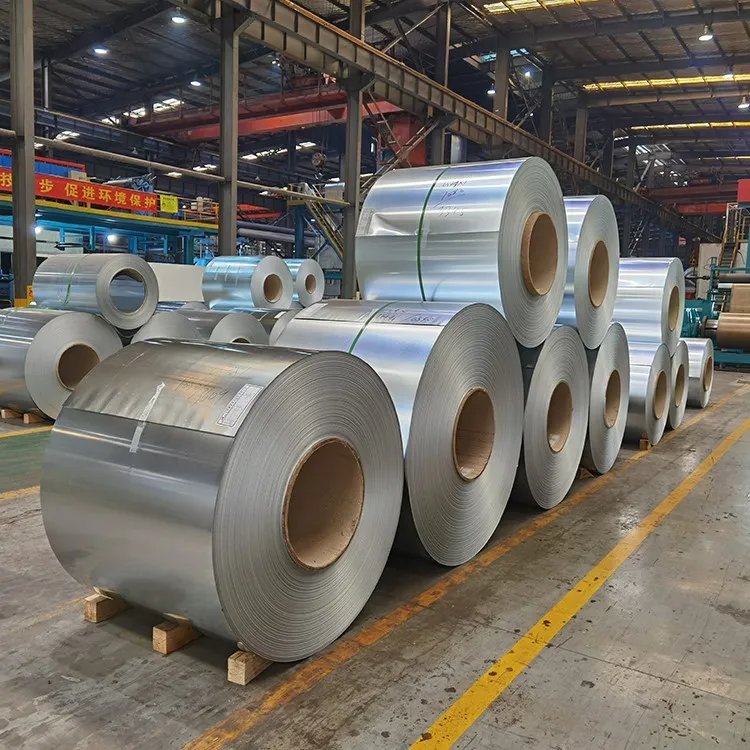
II. What are the key technologies of moisture-proof and airtight packaging? How does VCI (Vacuum Phase Inhibition) technology achieve its protective effect?
The core of moisture-proof and airtight packaging is VCI technology. VCI releases corrosion-inhibiting gas molecules to form a monomolecular protective layer on the metal surface, which is more environmentally friendly and efficient than traditional oil-based rust inhibitors, with a rust prevention period of 12 to 24 months. For galvanized coils requiring high surface flatness, VCI packaging is the preferred choice, as it shortens the extensive cleaning and degreasing process, significantly saving manpower and time. Effective rust prevention is achieved as long as the VCI paper does not directly contact the coil, making it particularly suitable for precision galvanized coils with complex shapes.
In practical applications, VCI rust-preventive paper is available in various specifications. When packaging, ensure the coated side of the paper faces the steel coil to maximize its rust-preventive effect. Depending on the packaging duration, VCI corrugated wire-reinforced rust-preventive paper is available in two types: woven reinforced and strip-reinforced. The former provides rust prevention for 6 to 12 months, while the reinforced version can provide protection for over 12 months. VCI vapor phase corrosion inhibitor film needs to meet the specified thickness and moisture permeability. For actual projects, it is recommended to place a smart long-lasting desiccant inside the steel coils that are packaged for a long time, and use it in conjunction with the tight wrapping of the outer layer to prevent residual moisture in the hot and humid air from endangering the inside of the packaging.
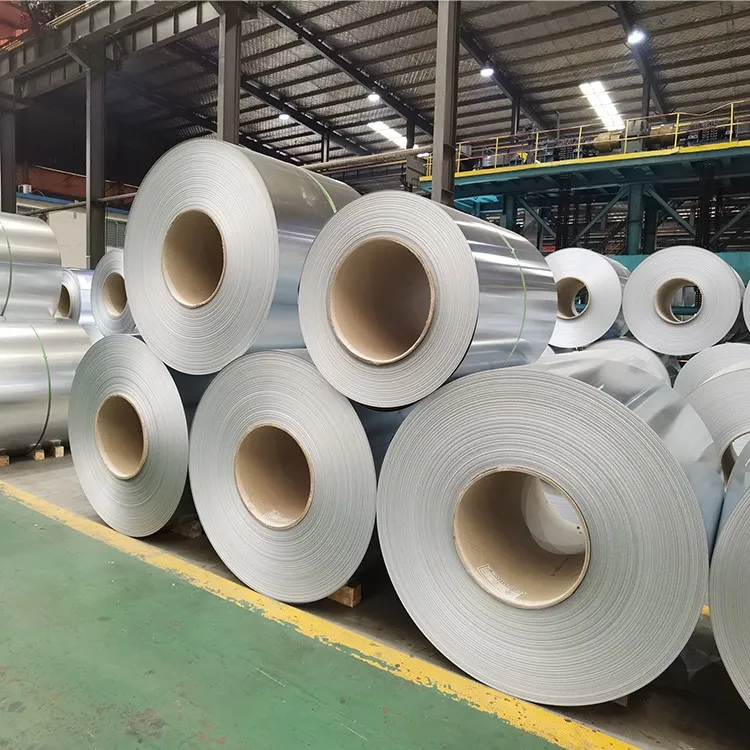
3. How to select a packaging solution based on transportation distance and storage period? How do the environmental differences between sea and land transportation affect the selection?
Different transportation environments and storage periods determine the key parameters of the packaging solution, including the combination of rust-preventive materials, the thickness of the stretch film, and the amount of desiccant. For short-distance inland transportation and storage time within 7 days, a single-layer vapor phase inhibitor (VCI) film can be used, with a film thickness of 0.08 to 0.10 mm, and an expected rust prevention period of 3 to 6 months. When galvanized coils need to be lightly transported and covered for short-term radiation protection, ordinary PE film with a thickness of less than 12 mm may be sufficient for the short term, but please note that the overall barrier properties of PP material at room temperature are limited. If sea transportation is planned or prepared, a double-layer VCI film with a desiccant in between must be used, the film thickness increased to 0.12 to 0.15 mm, and the desiccant dosage adjusted to 500 grams per cubic meter, extending the expected rust prevention period to 12 months.
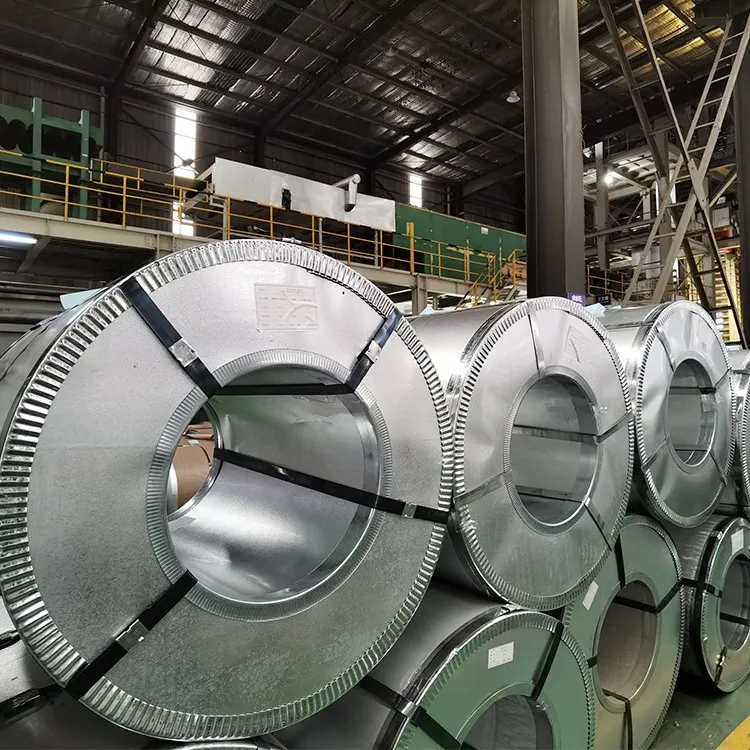
4. What are the technical standards for packaging materials? How can compatibility between materials and galvanized coils be ensured?
The thickness of key materials is crucial to packaging effectiveness. The specifications for various types of linerboard are as follows: steel linerboard thickness is typically 0.4 to 0.6 mm, while plastic linerboard thickness is 1.2 to 1.4 mm. The thickness of VCI (Vacuum-Induced Corrosion) films is generally required to be no less than 0.07 mm, while in harsh marine or humid environments, the film thickness must be greater than or equal to 0.12 mm. The outer layer of stretch film must also conform to EN/ASTM standards, with a thickness typically around 0.08 mm; for higher moisture protection requirements, it should be thickened to 0.12 mm. Among all performance tests for rust-proof films, controlling the moisture permeability to ≤5 g/m²/day is one of the key data points to ensure compliance with marine rust protection standards.
The compatibility between materials and galvanized coils is equally important: it is generally recommended to avoid using packaging with strong acidic contact media for galvanized coils, as this can easily cause chemical reactions in the zinc layer and deterioration of the coating. Neutral rust-proof paper and non-woven fabric are recommended as the direct coating medium for galvanized coils. This effectively avoids pinpoint stains and localized corrosion caused by contact between metals with different electrochemical properties. When the galvanized layer is thin (e.g., less than 80 grams per square meter), the steel strapping buckles used in conventional packaging may directly damage the coating. Nylon sliders or flexible, dedicated corner protectors must be embedded at the contact points between the steel strapping and the coil to control the contact pressure to no more than 0.5 MPa. The specific specifications of various corner protectors and protective plates are tailored to the outer diameter and end face dimensions of the steel coil.
5. What are the quality requirements for the operational details of sealed packaging? How to inspect the packaging quality?
The quality of sealed packaging depends on the strict execution of every operational detail. When laying the outer sheath, ensure that the width of the outer sheath is equal to the width of the steel strip or 0 to 50 mm more. The side with better surface quality should face upwards. When using plastic sheathing, the rough side should face upwards and the smooth side downwards. The overlap of the outer sheath should be controlled between 150 and 200 mm. When laying the rust-proof paper, use a single, flat sheet of paper, with the coated side facing the steel coil. There should be no damage or wrinkles. The overlap of the rust-proof paper should be maintained within the range of 150 to 300 mm. When placing the core paper, use adhesive tape to seal and fully seal the overlap seams, ensuring that the core paper tube is tightly attached to the surface of the steel coil along the circumference of the core. The width of the core paper should be the width of the cold-rolled steel strip minus 0 to 60 mm. Throughout the packaging process, all overlapping parts involving rust-proof paper, core paper, and plastic film must be firmly sealed with adhesive tape to ensure that the steel coil forms a completely sealed environment and achieves the best rust prevention effect.