


1.Why are galvanized coils prone to oxidation during long-distance transportation? What is their anti-oxidation principle?
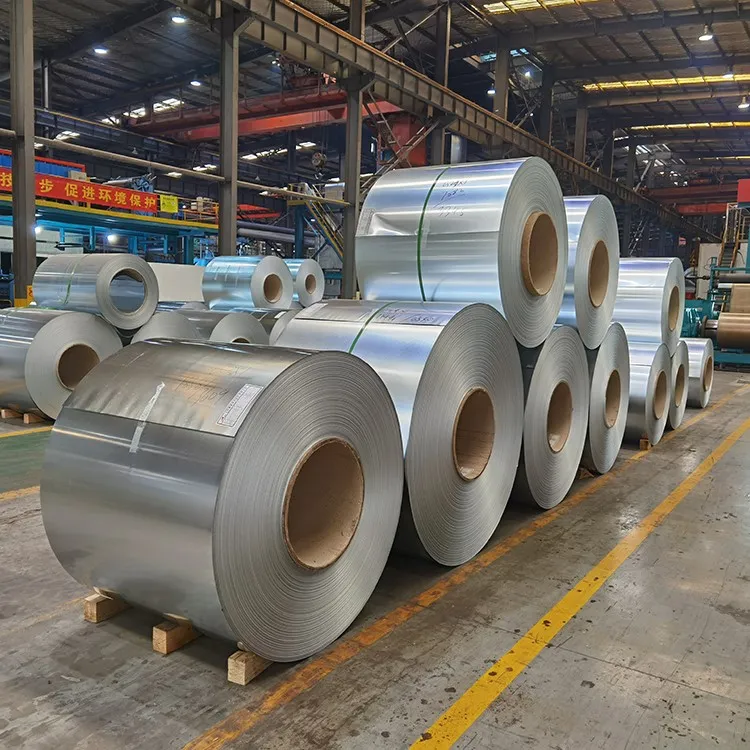
Galvanized coils face far greater oxidation challenges during long-distance transportation than in typical storage environments, primarily in three aspects. First, drastic temperature and humidity changes during transport, especially the significant temperature differences between north and south regions during cross-regional transport, easily lead to condensation on the surface of the galvanized coil. If condensation occurs, moisture accumulates on the galvanized layer, forming white rust. Second, road bumps cause micro-displacement between the galvanized coil layers. Frictional oxidation of the galvanized layer results in black spot defects on the surface. Oxygen content in these defective areas can reach as high as 20%, significantly accelerating the aging and corrosion of the zinc layer. Third, the salt and humid air in maritime environments cause metal corrosion five to ten times faster than in dry environments. Chlorides, when combined with moisture, severely corrode the galvanized surface.
2. What rust prevention pretreatments are required for galvanized coils before long-distance transportation?
Rust prevention pretreatment before long-distance transportation is crucial to the success of the transport. The first step is passivation or oiling of the galvanized layer surface, which should be completed before packaging. For sea freight exports or long-distance transportation lasting several months, it is recommended to use a standard-compliant sealing rust-preventive oil. This product can form a uniform rust-preventive film on the workpiece surface, with excellent salt spray resistance, providing rust prevention for galvanized sheets for one to two years. When spraying the rust-preventive oil, ensure the coating evenly covers the coil surface, with a film thickness typically of 15 to 20 micrometers.
The second step is surface cleaning and drying. Before packaging, it is essential to ensure that the galvanized coil surface is free of dirt, moisture, metal powder, and other impurities. Dust and contaminants adhering to the surface can create a localized battery effect, accelerating localized corrosion and potentially damaging the rust-preventive oil film. Therefore, surface inspection and treatment before packaging must be strictly implemented and no steps should be omitted.
3. How to Select Anti-oxidation Packaging for Long-Distance Transportation? What are the Requirements for Core Material Parameters?
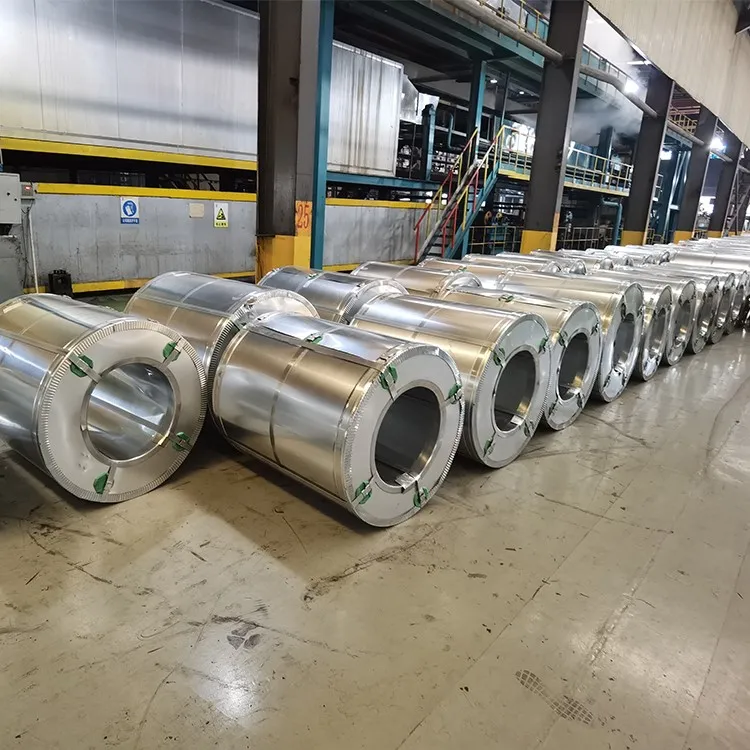
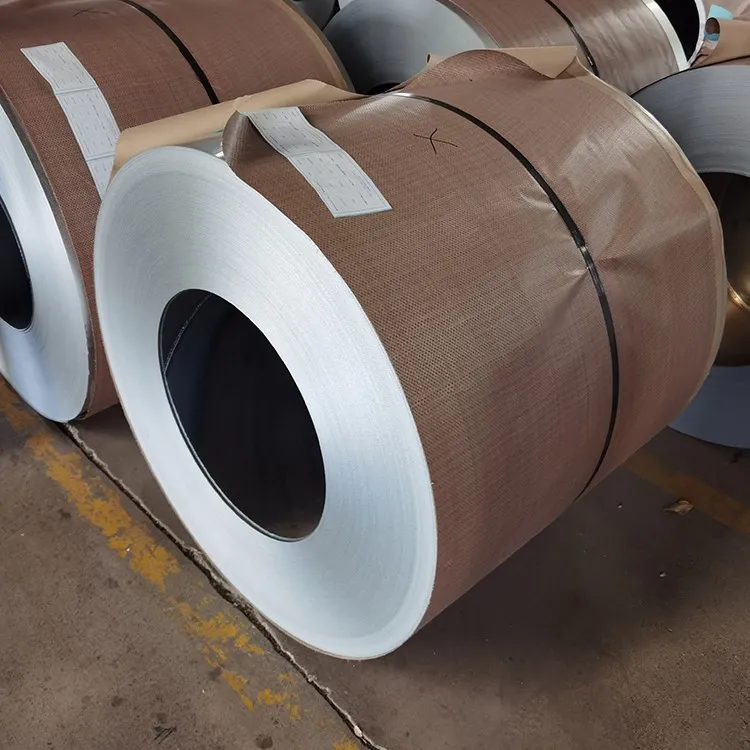
Anti-oxidation packaging for long-distance transportation should be selected based on the transportation environment, duration, and destination climate conditions. For short-distance inland transportation with a duration of less than two weeks, a combination of PE stretch film and corner protectors can be used. However, for long-distance cross-regional transportation, especially in high-humidity sea environments, a multi-layer composite anti-rust system must be upgraded: the preferred solution is to use a VCI vapor phase rust inhibitor film combined with waterproof tarpaulin, secured with wooden supports, and placing desiccants in the gaps.
The core packaging materials should meet the following key requirements: the thickness of the VCI vapor phase rust inhibitor film should not be less than 0.12 mm in humid and hot environments; the moisture permeability of the rust inhibitor film should be controlled below 5 grams per square meter per 24 hours to effectively block moisture. Hexagonal sealing of the rust inhibitor film is the best practice, and all seams must be securely taped and overlapped. The overlap of the seams of the rust-proof paper should be controlled between 100 and 300 mm. During packaging, it is essential to ensure that the coated side of the rust-proof paper faces the steel coil to form an airtight protective layer. An outer packaging layer can be provided with a moisture-proof PE/PVC composite film to form a physical barrier. For high-value export products, it is recommended to use fully enclosed iron packaging (commonly known as "iron bag"), which offers more reliable rust prevention.
4. What are the specific anti-oxidation requirements for sea freight container transport and road transport?
Sea freight is the most challenging aspect of long-distance galvanized coil transport in terms of anti-oxidation. First, dry cargo containers must be used; open-top containers are not permitted. Before shipment, the container's airtightness should be checked to prevent leakage and moisture; new containers are preferable if possible. Second, desiccants should be placed inside the container. For high-humidity sea routes exceeding 30 days, each 40-foot high cube container should be equipped with 10 to 14 calcium chloride desiccant desiccants, which have a much higher moisture absorption capacity than ordinary silica gel desiccants. Simultaneously, a portable temperature and humidity recorder should be installed inside the container to continuously monitor the relative humidity, ensuring it remains below 60% throughout the journey.
For long-distance road transport, the key to anti-oxidation lies in controlling loading temperature differences. During loading, concave straw supports or anti-slip mats should be used to support the steel coils, ensuring they are securely fixed and preventing frictional oxidation caused by severe vibrations during bumps. If the transport route crosses regions with significant north-south climate differences, attention should be paid to temperature variations along the route, and transport vehicles should be equipped with covering facilities. Upon arrival at the destination, the steel coils should be allowed to naturally equalize the temperature difference under ventilated conditions before unpacking to avoid sudden opening that could cause condensation.
5. Emergency Response During Transportation? Key Points for Visual Inspection?
During long-distance transportation, a comprehensive monitoring and emergency response mechanism should be established. Transportation companies should be equipped with temperature and humidity recorders and sensors installed in vehicles or containers to regularly read data. In case of heavy rain or seawater intrusion, the vehicle should be stopped immediately in a safe location for inspection to ensure the packaging is intact. If any damage is found, remedial measures should be taken immediately to seal and repair the packaging.
The transportation acceptance process is equally crucial. Before shipment and upon arrival, a detailed visual inspection of the galvanized coils must be conducted and photographs taken for record-keeping. The following aspects should be carefully checked: whether there are white rust or black spots on the surface, whether the color of the galvanized layer has changed significantly, whether the rust-proof packaging is intact and undamaged, and whether the steel strapping is loose. If slight white spots are found, they should be wiped clean with a dry cloth, recorded, and isolated. If red rust spots or severe damage to the packaging are found, the consignee must be notified immediately for negotiation to prevent the defects from worsening. If water enters the galvanized coils during transportation, the package should be opened immediately and not resealed for further storage. Establishing a complete transportation quality traceability system, including transportation routes, vehicle numbers, arrival times, and acceptance results, helps to identify the source of problems and continuously optimize anti-oxidation solutions.