


1. What are the core differences in surface quality requirements between Grade 1 and Superior Grade galvanized coils?
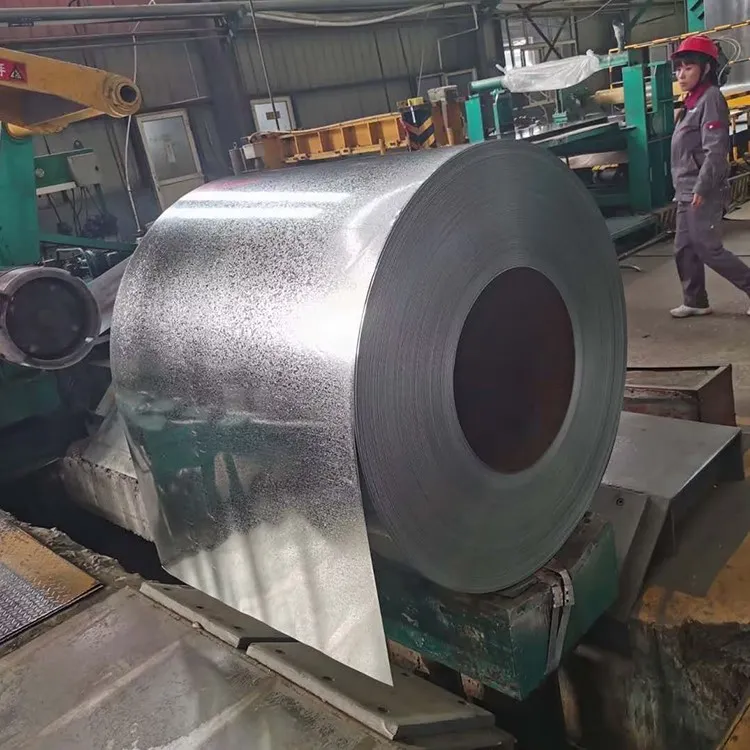
A: Superior Grade requires no visible defects on the surface, including uniform zinc bloom, no zinc dross protrusions, no black spots, no scratches, and no color difference. Grade 1 allows for a small number of minor defects that do not affect performance, such as uneven zinc bloom, scattered tiny zinc dross spots, or minor scratches no longer than 5mm, but must not have serious problems such as exposed iron or peeling.
2. What are the differences in the tolerance control of zinc layer thickness (or zinc layer weight) between the two?
A: The zinc layer thickness tolerance of premium grade products is very strict, usually requiring the deviation between the actual zinc layer weight and the nominal value to be controlled within ±5%, and the thickness fluctuation at the beginning, middle, and end of the same roll is minimal and stable; the allowable deviation for first grade products is wider, generally ±8% to ±10%, and the thickness difference at different locations on the same roll can be slightly larger.
3. In terms of dimensional accuracy (such as thickness and width) of galvanized coils, where are the stricter requirements for premium grade compared to first grade?
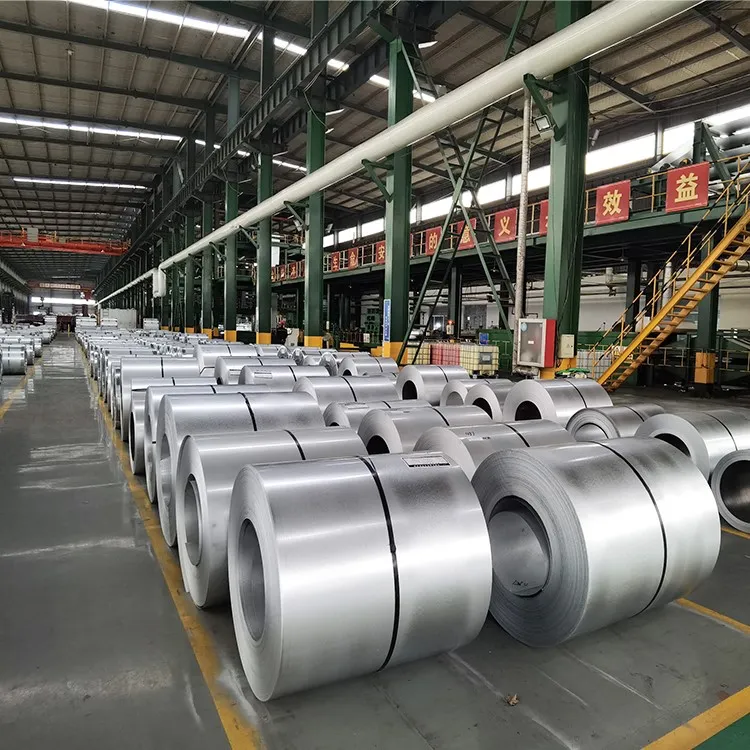
A: Premium grade adheres to high-precision tolerance levels, such as a thickness tolerance of PT.A, with the maximum thickness fluctuation of the entire coil not exceeding ±3% of the nominal thickness, and a width tolerance controlled within 0~+2mm. First grade is typically controlled according to ordinary precision PT.B, with thickness fluctuations reaching ±5%~±8%, and a width tolerance relaxed to 0~+4mm, and slightly larger cambers are allowed at both ends.
4. Are there differences in the requirements for mechanical properties (such as yield strength and elongation)?
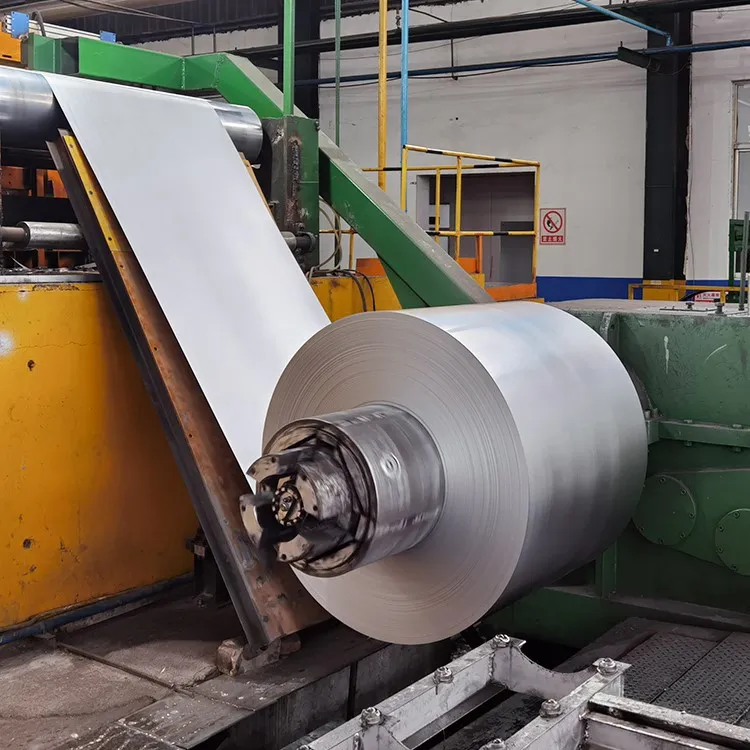
A: Yes, there are differences. For superior grade products, the yield strength fluctuation range within the same roll should not exceed 30 MPa, and the lower limit of elongation is often 2-3 percentage points higher than the standard value. For first-grade products, yield strength fluctuation is allowed to be within 50 MPa, and the elongation only needs to meet the lower limit of the standard product; higher stability is not required.
5. What are the differences between the two in terms of judgment criteria and factory inspection requirements?
A: Superior grade products must undergo all specified performance tests (including surface, thickness, mechanical properties, and coating adhesion) on a roll-by-roll basis, and a separate quality assurance certificate with a quality grade mark must be issued. Grade 1 products can be sampled from production batches, and some indicators may be performed according to the qualified product standard. Only standard quality certificates are usually provided upon delivery, without the additional label "superior grade."