


1. Why is immediate short-term protection necessary for galvanized coils after uncoiling? Which stages are most prone to corrosion?
The urgency of short-term protection for galvanized coils after uncoiling stems from the disruption of the previously well-sealed multi-layered packaging, exposing the galvanized layer directly to the air in the storage environment. The mechanism of white rust formation lies in the difference in oxygen concentration between the center and edges of the galvanized layer when moisture adheres to it, triggering an "oxygen concentration cell" effect that rapidly produces white corrosion products.
There are two main areas most susceptible to corrosion after uncoiling. First, the cut surface, especially during the hot and humid season from April to September. Rust at the cut surface can flake off, contaminating subsequently processed products and parts, leading to high costs for subsequent rust removal. Second, remaining coil layers that are not used immediately after uncoiling, and areas where the galvanized layer has been slightly damaged due to handling friction. Therefore, regardless of whether the coil is used immediately after uncoiling, a short-term protection procedure should be initiated immediately to prevent irreversible damage to the ferrous material due to prolonged exposure.
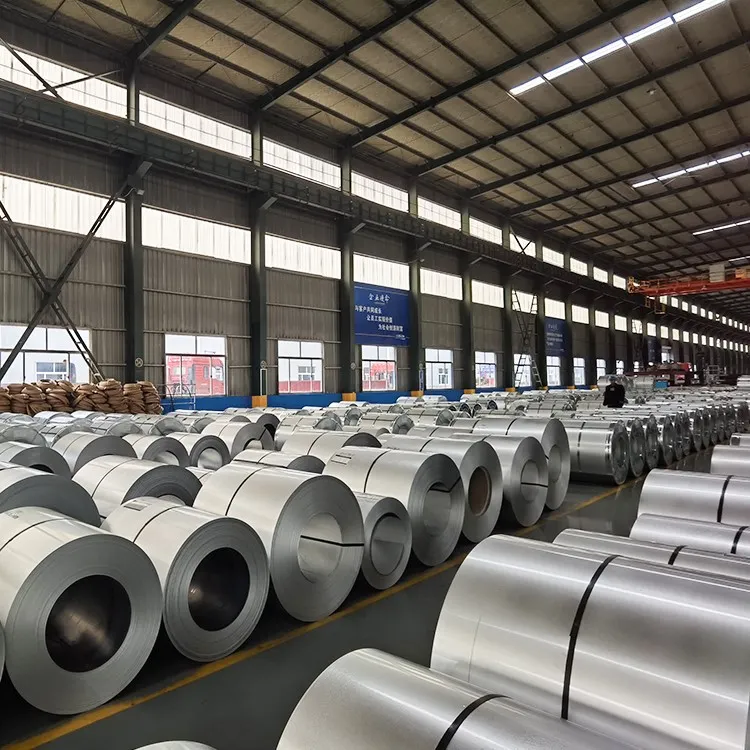
2. How should the cut surface after uncoiling be treated for rust prevention?
The cut surface is the weakest point in rust prevention during uncoiling. At this point, the galvanized layer is severed at the cut edge, exposing the underlying steel substrate, which is most susceptible to red rust when exposed to humid air. Therefore, a specialized cut-edge rust inhibitor should be used, with dehydration-displacement type rust inhibitors being the most effective.
These rust inhibitors are specifically designed for rust prevention of cold-rolled steel sheets and galvanized sheet sections. They have advantages such as low viscosity, high flash point, excellent dehydration and displacement properties, good resistance to salt spray and damp heat, long rust prevention period, and easy cleaning. Application is relatively simple; it can be applied by immersion, brushing, or spraying. Each liter of oil covers approximately 40 to 50 square meters. When applying the oil, ensure the workpiece surface is clean and the moisture content is kept low to guarantee rust prevention quality. For galvanized sheets that have been uncoiled and leveled before entering the inter-processing stage, a cleaning and rust-preventing agent with zinc layer corrosion inhibition capabilities can be used for simultaneous processing and rust prevention. For example, maintaining a refractive concentration of 2% to 3% in an aqueous processing solution can achieve preliminary rust prevention protection during processing. If galvanized sheets need to be stored for a short period between processes, they can also be immersed in an aqueous zinc plating protectant for 1 to 3 minutes. After drying, a hydrophobic film will form on the zinc layer surface, providing protection for several weeks or even months.
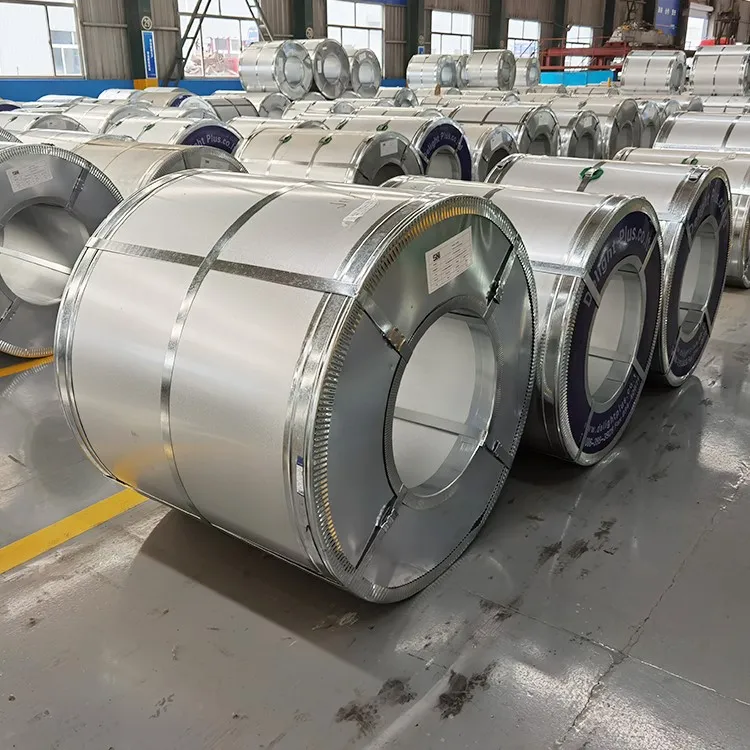
3. How should unused galvanized coils be properly stored after uncoiling?
Unused galvanized coils should not be simply stored exposed. The following tiered approach for short-term sealed protection is recommended.
For remaining coils planned for use within a few days, temporary sealing with VCI (Vacuum Phase Inhibitor) film can be used. VCI film is a plastic film infused with a vapor phase rust inhibitor. After packaging, the rust inhibitor slowly evaporates, forming a protective molecular film on the metal surface, effectively isolating moisture and oxygen to prevent corrosion. When wrapping, the metal surface should be kept dry and clean. The film should be wrapped tightly to minimize internal airflow. Operators should wear clean gloves to avoid sweat affecting the rust-preventing effect. VCI film is suitable for multi-metal rust prevention, including steel, iron, aluminum, and galvanized sheets.
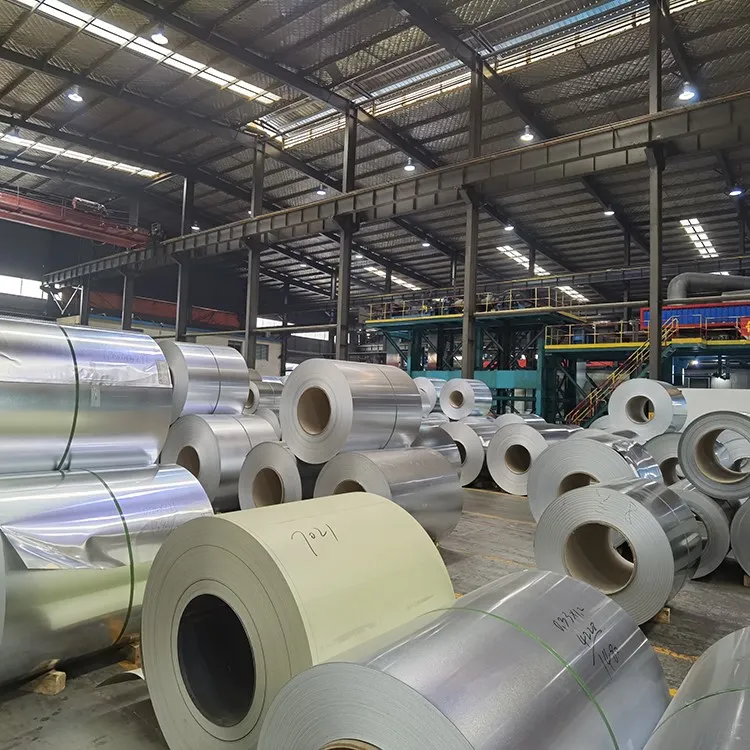
4. What surface chemical protection methods can be used for galvanized sheets during temporary storage after uncoiling?
For galvanized sheets that have been uncoiled, leveled, and are ready for processing or use, applying rust-preventive oil or water-based passivating agents is the most direct and effective surface protection method. When choosing rust-preventive oil, the following parameters should be considered: Rust-preventive oils containing organic corrosion inhibitors (such as amines and carboxylic acids) or inorganic corrosion inhibitors (such as molybdates and phosphates) should be selected. These can form an adsorption film on the galvanized layer surface, controlling electrochemical corrosion. For scenarios requiring easy cleaning, steel sheet rust-preventive oils with good washability can be selected, and can be removed with general alkaline degreasing agents.
Controlling the parameters of the oiling process is equally important. The amount of oil applied is generally controlled within the range of 1 to 5 grams per square meter. An oil film that is too thin cannot adequately isolate the air, while an oil film that is too thick is prone to running and affecting subsequent welding, painting, and other processes. For products with high surface quality requirements, electrostatic oiling is recommended to ensure a thin and uniform oil film. After oiling, galvanized sheets need to be air-dried naturally or dried at a low temperature. The drying temperature should not exceed 60 degrees Celsius to avoid the oil film from evaporating or deteriorating due to high temperatures. After oiling, they should be immediately placed in moisture-proof packaging, with a moisture-proof inner lining and an outer layer of plastic film for sealing. For galvanized sheets expected to be stored for more than 3 months, a visual inspection and oil film condition assessment should be conducted around the 3rd month. If localized oil film peeling or white spots appear on the surface, rust-preventive oil should be applied promptly to maintain protective performance.
5. What are the environmental and stacking management requirements for uncoiled and temporarily stored galvanized steel sheets?
Uncoiled galvanized steel sheets should be stored indoors in a dry, well-ventilated area, avoiding open-air storage and placement in areas prone to condensation or large temperature fluctuations. The relative humidity in the storage area should be controlled below 60% as much as possible. When the ambient humidity is too high, desiccants can be placed near the storage location to assist in dehumidification. If the product gets wet from rain or condensation, the packaging should be removed immediately, the sheet should be dried quickly, and it should be used as soon as possible. Acids, alkalis, salts, and harmful gases, or other corrosive substances, must not be stored together in the storage area, and galvanized steel sheets should not be stored in the same warehouse as corrosive chemical media.
Regarding stacking, galvanized steel sheets should not be stacked directly on the ground. They must be elevated using wooden blocks or support frames. The ground should be flat and free of sand and gravel to prevent indentation defects on the sheets. The number of stacked layers should not exceed two to reduce abnormal pressure on the bottom sheets. For galvanized steel sheets laid flat, it is recommended to place 2 to 3 evenly spaced dry wooden strips between each layer to prevent corrosion caused by moisture retention. In storage management, the "first-in, first-out" principle should be adhered to, and storage time should be minimized to avoid long-term stockpiling. Galvanized steel sheets stored for extended periods should have their surfaces inspected and maintained regularly, especially during periods of high humidity such as seasonal transitions. If the warehouse floor is damp, it is advisable to lay moisture-proof mats or apply moisture-proof flooring to control moisture intrusion at the source.