


1. Why do galvanized color-coated coils still rust during sea transport when they already have a zinc plating and coating?
A: While the zinc plating and coating provide basic protection, the sea transport environment is characterized by high temperature, high humidity, and high salt spray, and condensation is prone to occur in cargo holds ("container rain"). If the packaging is damaged, the ends are exposed, the cut edges are not sealed, or there is prolonged exposure to humid air and salty moisture, chloride ions will corrode the edges of the zinc plating and coating, leading to electrochemical corrosion and the appearance of white or red rust.

2. What rust-proof packaging treatments should be applied to galvanized color-coated coils before shipment?
A:End-face sealing: Use rust-preventive wax, peelable rust-preventive paint, or self-adhesive aluminum foil tape to completely cover the exposed cut ends and galvanized edges of the steel coil.
Inner rust-proof packaging: Wrap the entire steel coil with vapor phase inhibitor (VCI) paper or rust-preventive film to ensure that VCI gas fills the internal space.
Outer protection: Use waterproof woven fabric or PE heat-shrink film for the outer layer, add metal or plastic corner protectors to protect the edges, and finally secure it with steel straps.
Desiccant: Place sufficient silica gel desiccant inside the packaging (e.g., more than 500g per cubic meter) to reduce the internal relative humidity.

3. What are the key points for rust prevention when loading containers or bulk carriers?
A:Inside containers: Before loading, check that the container is free of damage, rust, and is dry and clean; lay down double-layered waterproof and moisture-proof mats (such as polyethylene foam boards); steel coils should be placed vertically (with the coil openings facing upwards) to prevent moisture from accumulating inside the coil openings.
Inside bulk carrier holds: Avoid mixing with salty or wet cargo; lay wooden blocks or waterproof tarpaulins on the hold floor for isolation; leave ventilation gaps between steel coils; if voyages through high-humidity and high-temperature areas, mechanical ventilation or container-specific desiccant strips can be used.
Preventing condensation: Avoid excessive temperature differences between the steel coils and the outside environment that could lead to condensation; try to choose times with dry weather and similar temperatures when loading.
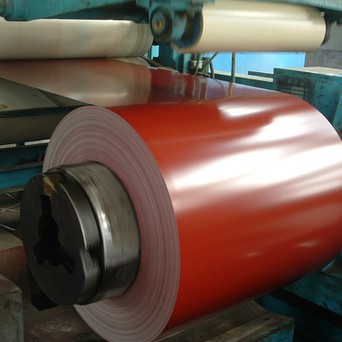
4. How to monitor and reduce the risk of rust during sea transport?
A:Temperature and humidity monitoring: Temperature and humidity recorders or color-changing silicone indicator cards can be placed inside the container. A warning should be given when the relative humidity exceeds 60%.
Ventilation management: Bulk carriers should use natural or mechanical ventilation when the weather is clear and the outside humidity is lower than the inside humidity. Container ships with ventilation vents should be protected against seawater intrusion.
Preventing cargo shifting: Steel coils should be securely fixed to prevent collisions that could puncture the anti-rust film during transport.
Regular inspections: If conditions permit, open the hatches during the voyage to check the packaging for integrity and condensation.
5. What are the precautions for rust prevention during unloading and subsequent storage upon arrival at the port?
A:Immediate Inspection: Upon unloading, prioritize checking for packaging damage, rust spots, or water stains. If localized rust is found, treat it immediately (e.g., remove rust and apply rust-preventive oil).
Avoid Outdoor Storage: After arrival at the port, store the goods in a warehouse as soon as possible or cover them with tarpaulins to avoid direct sunlight and rain immersion.
Unpacking Procedures: Remove rust-preventive packaging only before use. If temporary storage is necessary, keep the warehouse well-ventilated and dry (humidity ≤50%).
Handling Condensation: When moving from a cold environment to a warm, humid environment, seal the packaging first and allow the steel coil temperature to rise above the dew point before opening to prevent condensation and rust formation.