


1. What should the temperature and humidity range be controlled in a warehouse during the rainy season? What are the consequences of exceeding these limits?
During the rainy season, the relative humidity in the warehouse must be controlled below 60%, which is a key indicator for preventing galvanized layer corrosion. If door and window conditions permit, it is recommended to maintain the humidity within the safe moisture-proof range of 45% to 60%. All warehouses should consider 70% as an insurmountable warning line; once this value is exceeded, water film or droplets easily form on the surface of the galvanized coils, accelerating zinc layer oxidation and corrosion.
Regarding temperature, the ambient temperature in warehouses storing galvanized coils should be controlled within the range of 10 to 30 degrees Celsius. Exceeding these temperature and humidity limits during the rainy season will have serious consequences: high temperature and high humidity will accelerate zinc layer oxidation, causing white spots to form on the surface; if the warehouse is not well sealed, humid air will also form condensation on the surface of the galvanized coils, leading to large-scale corrosion, seriously affecting product quality and subsequent use.
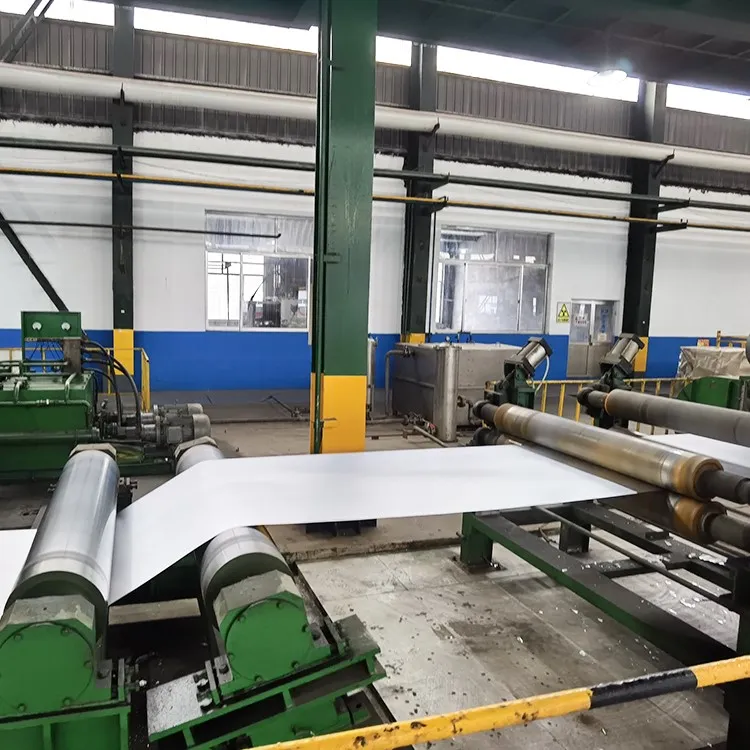
II. How to Choose Packaging Materials for the Rainy Season? What are the Requirements for Sealing and Desiccant Use?
The preferred packaging solution for the rainy season is a fully enclosed wrapping with vapor phase inhibitor (VCI). For galvanized coils transported by sea or stored for long periods, a combination of VCI and desiccant is highly recommended. If using rust-preventive paper, special attention should be paid to selecting a neutral paper compatible with the galvanized layer material to avoid chemical reactions that could damage the galvanized layer. During packaging, the coil should be tightly wrapped layer by layer with polyethylene stretch film, starting from the bottom, ensuring no gaps to prevent moisture penetration.
The use of desiccants also requires strict adherence to regulations: 50 to 100 grams of desiccant should be used per square meter of galvanized sheet. The desiccant status should be checked regularly, and it must be replaced immediately if it becomes saturated. If the relative humidity of the packaging environment reaches or exceeds 70%, the amount of desiccant must be increased. For high-value or high-precision galvanized coils, vacuum packaging can completely isolate air from moisture, providing the most reliable moisture protection.
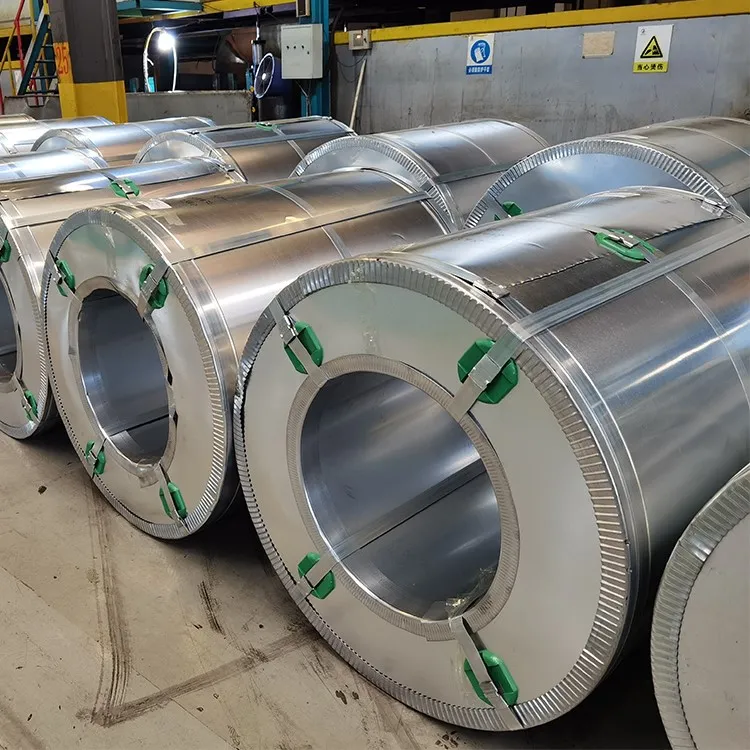
Part 3: How should warehouse ventilation be arranged during the rainy season? When should it be opened? When should it be closed?
Warehouse ventilation strategies during the rainy season need to be flexibly adjusted according to weather changes: On sunny days, windows can be opened or ventilation equipment can be used to promote air circulation. Even during the rainy season, there are still brief windows of sunshine-midday on sunny days during the plum rain season, the air outside the warehouse is relatively dry, making it an excellent time to replace indoor moisture. However, it is important to avoid early morning and evening, as outdoor humidity is also high at these times, and opening windows can easily cause moisture to flow back in. On rainy days or in high humidity, windows must be closed immediately and the warehouse sealed to prevent a large influx of external moisture.
In addition, the layout of the warehouse should also consider air circulation to avoid creating ventilation dead zones. For warehouses in coastal areas, installing a ventilation system with filtration function can better cope with high humidity and high salt spray environments.
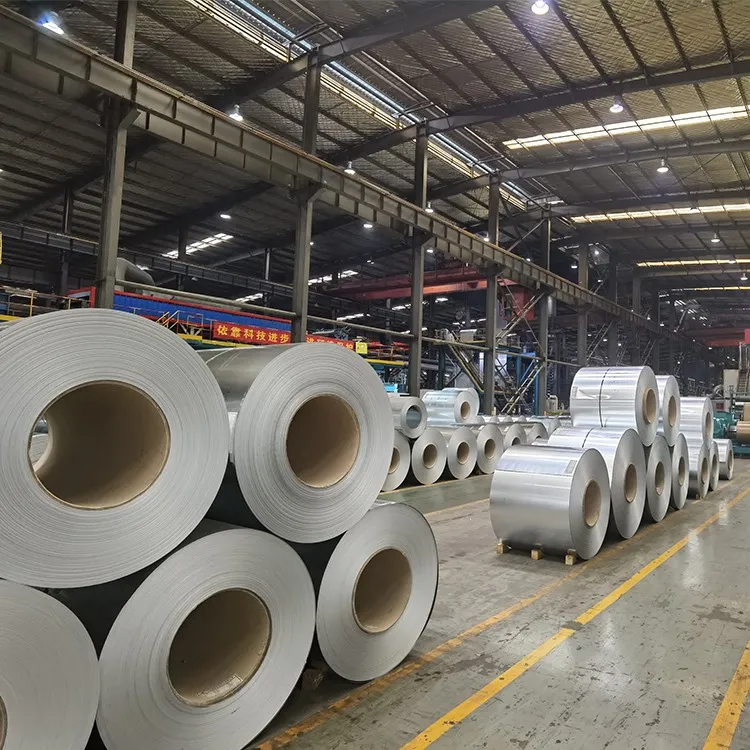
4. Key Details for Ground Moisture Prevention and Stacking:
The first step in ground moisture prevention during the rainy season is to lift all galvanized coils off the ground. There are three technical approaches: Use wooden pallets or rubber blocks to elevate the coils at least 15 cm off the ground; for cement floors, elevate to 10 cm, and for dirt floors, elevate to 20-50 cm. If the warehouse floor itself has a dampness problem, intervention at the source is necessary-laying moisture-proof mats or applying epoxy resin flooring can effectively block moisture intrusion.
There are two options for stacking: Prioritize upright stacking, maintaining a 15-30 degree angle between the sheets and the ground, supported by wooden pallets at the bottom, using the angle to naturally prevent condensation buildup; if conditions necessitate flat stacking, the stacking height should not exceed 1.2 meters, and each stack must be separated by 2-3 evenly spaced dry wooden strips to promote air circulation and prevent moisture retention. Different batches of galvanized coils should be stored separately, with ventilation gaps between them.
5. How to Arrange Daily Inspections and Emergency Handling During the Rainy Season?
During the rainy season, a system of at least one daily temperature and humidity inspection should be established, with daily records of storage environment data. If humidity exceeds the standard, dehumidification equipment should be immediately activated and warehouse doors and windows closed. Simultaneously, the packaging of galvanized coils should be regularly checked for integrity. It is worth noting that the effective range of VCI vapor phase rust inhibitor paper is no more than 30 cm. When the packaged item is too large, additional rust-preventive materials or auxiliary measures are needed to ensure adequate moisture protection.
If slight white spots are found on the surface of the galvanized coils during inspection, they should be wiped clean with a dry, lint-free cloth and a thin layer of rust-preventive oil applied. If white spots have already formed, they can be wiped with diluted hydrochloric acid before applying rust-preventive oil. If red spot rust or severe packaging damage is found, the passivation film repair procedure must be followed immediately, or the packaging replaced to prevent further damage. In case of heavy rain, outdoor loading and unloading operations should be immediately suspended, and galvanized coils already stored outdoors should be promptly moved indoors and their surfaces wiped dry.