


1. Why is special pretreatment necessary before painting galvanized coils?
Galvanized coils are covered with a layer of zinc. Zinc is a relatively reactive metal that readily reacts with oxygen and moisture in the air, forming a zinc salt film or passivation layer on the surface. This layer severely affects the adhesion of the paint coating. Furthermore, if oil contaminants on the raw materials are not removed, they will directly affect the performance and lifespan of the coating. A proper pretreatment process should include thorough degreasing and oil removal, washing, surface conditioning (phosphating can be considered to form a porous phosphate film, increasing the coating contact area), a second washing, passivation, and drying to ensure the substrate is free of impurities and has good adsorption capacity.
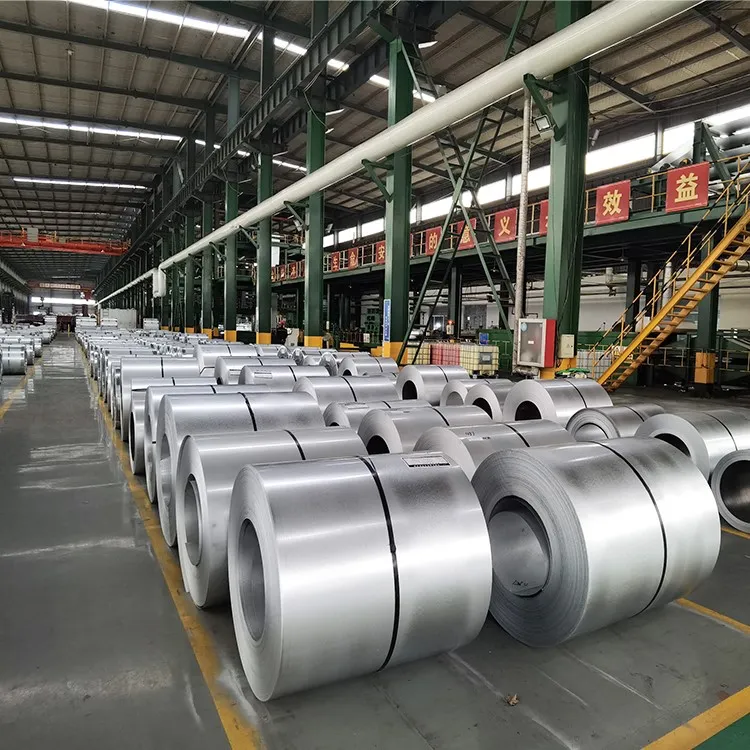
2.How to Choose the Primer for Galvanized Coil?
The choice of paint is crucial. Galvanized coils have a relatively smooth surface and weak adhesion. If an unsuitable paint is used, the coating is prone to peeling off, and may even undergo saponification, leading to coating failure. It is essential to use a primer specifically designed for galvanized parts, such as epoxy zinc yellow primer or phosphate primer. These paints contain special groups that can form a chemical bond with the galvanized layer, significantly improving adhesion. For applications requiring extremely high adhesion, an adhesion promoter can be added during application to further enhance the paint film's adhesion to the galvanized layer.
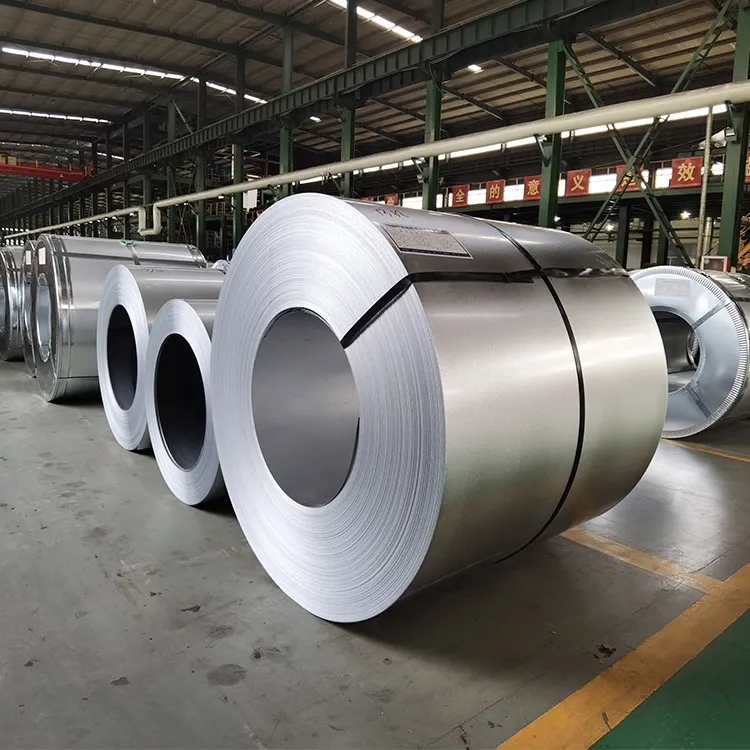
3.What key parameters need to be controlled during the baking paint application process?
First, the overall baking paint process must be followed precisely. It typically follows the sequence of "pretreatment → drying → primer application → baking → topcoat application → baking → inspection," and steps should not be omitted arbitrarily. Second, the coating thickness must be controlled within the recommended range for the paint system. It is advisable to use a "thin coat, multiple coats" approach during application. A single coat should not be too thick, otherwise cracking is likely, while a too-thin coat will weaken adhesion. Third, moderate sanding or sanding of the substrate can effectively increase surface roughness and improve adhesion. Finally, selecting the appropriate nozzle for the spraying equipment is crucial to ensuring a uniform coating without any missed spots or gaps.
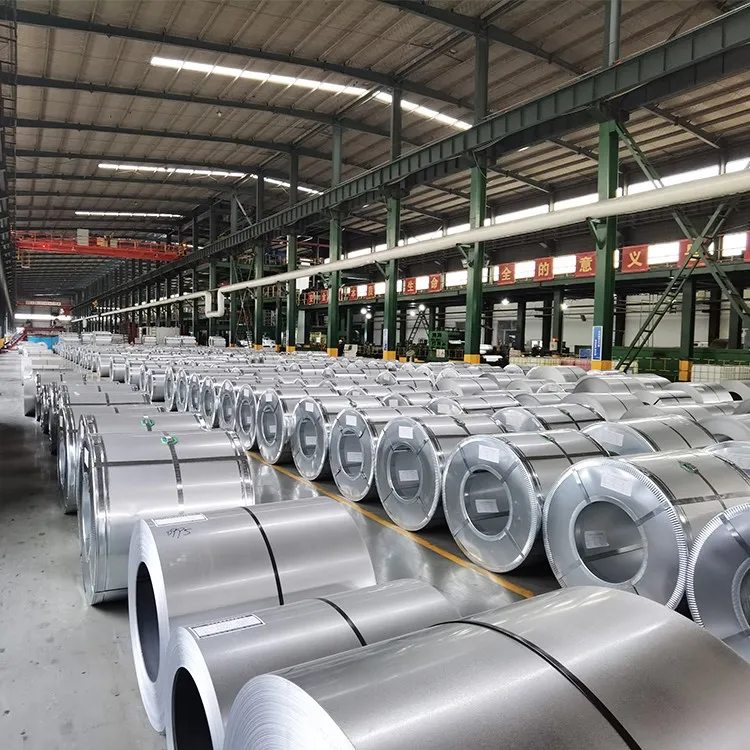
4. How to prevent blistering after painting galvanized coils?
There are two main reasons for blistering after painting. The first is due to previous processes: During the pickling process before galvanizing, hydrogen atoms penetrate the steel plate and expand and precipitate during subsequent high-temperature baking, causing blistering. It is recommended to control the pickling time during degreasing and rust removal processes, or to use sandblasting. If necessary, add a dehydrogenation treatment process at over 200℃. The second is due to paint compatibility: Some paints do not wet the galvanized substrate sufficiently, and excessive spraying pressure can actually trap air bubbles within the zinc layer pores. In this case, a matching primer must be applied before application to seal and isolate the coating, and air spraying or brushing should be used to avoid applying a thick coat in one go.
5. What is the optimal baking temperature for galvanized coil coating?
The baking temperature depends on the paint system used and is not a single, universally applicable value. Always refer to the paint supplier's technical specifications before use. If residual zinc or dehydrogenation of the steel is required, baking at above 200℃ for several hours followed by slow cooling is generally recommended. Daily baking and curing temperatures must be strictly controlled according to the paint manufacturer's process documents. Temperature fluctuations should not be too large, ideally within ±5℃, to prevent coating cracking, discoloration, or damage to the galvanized layer due to over-baking. Simultaneously, the ambient temperature should ideally be maintained between 5-35℃, and the relative humidity should not exceed 75% to ensure proper curing and leveling of the paint.