


Hot-dip galvanized steel sheets are widely used in the fields of household appliances and electronic products due to their good protective properties. Fingerprint-resistant hot-dip galvanized steel sheets are high value-added products coated with functional and conductive organic films on the surface of hot-dip galvanized steel sheets. Fingerprint-resistant hot-dip galvanized steel sheets are known for their excellent fingerprint resistance, conductivity and corrosion resistance. It is widely used in the home appliances and electronics industries, especially in the manufacturing of LCD, LED liquid crystal modules, electronic chassis, cabinets, etc., to meet consumers' increasing aesthetic appearance needs and environmental protection needs.
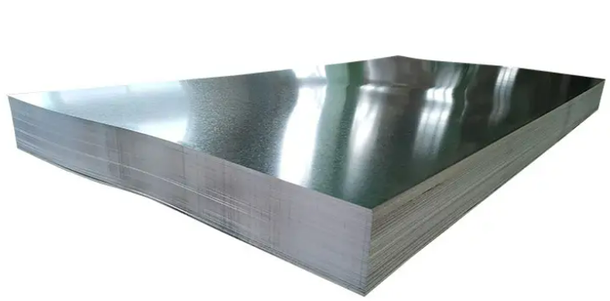
As the requirements for steel plates in modern household appliances and electronic industry products are gradually increasing, all products are not only required to be environmentally friendly, but also have high requirements for corrosion resistance. The zinc slag defect in the coating of hot-dip galvanized sheets is one of the main quality defects of hot-dip galvanized products. It greatly affects the appearance quality of hot-dip galvanized products, becomes the source of corrosion behavior, and is the main reason for salt spray incompatibility. one.
1 Principle of fingerprint resistance of hot-dip galvanized layer
Due to its high chemical activity, the surface of the hot-dip galvanized layer is prone to surface oxidation when contaminated with fingerprints, sweat, or in a humid environment, seriously affecting the appearance quality. Due to the gradual increase in the modern processing industry and consumers' requirements for product surface, factors that may affect the appearance of the final product during the production process have become the direction that many manufacturing companies strive to overcome, and the demand for fingerprint-resistant products has emerged.

The anti-fingerprint performance of anti-fingerprint products means that the difference in light reflection intensity after coating treatment is small, forming what is commonly referred to as "anti-fingerprint".
The main component of the chromium-free fingerprint-resistant treatment agent is water-soluble organic/inorganic composite resin (acrylic resin), plus water-soluble rust inhibitor (SiO2) and film-forming aids
In the hot-dip galvanized fingerprint-resistant film, there are mainly the above film layers in terms of function. Among them, the Inhibitor component mainly reflects the corrosion resistance in the film, the reaction layer mainly plays a sealing role, and the resin + bridging agent mainly The function is fingerprint resistance, while the lubricating layer mainly plays a lubrication role.